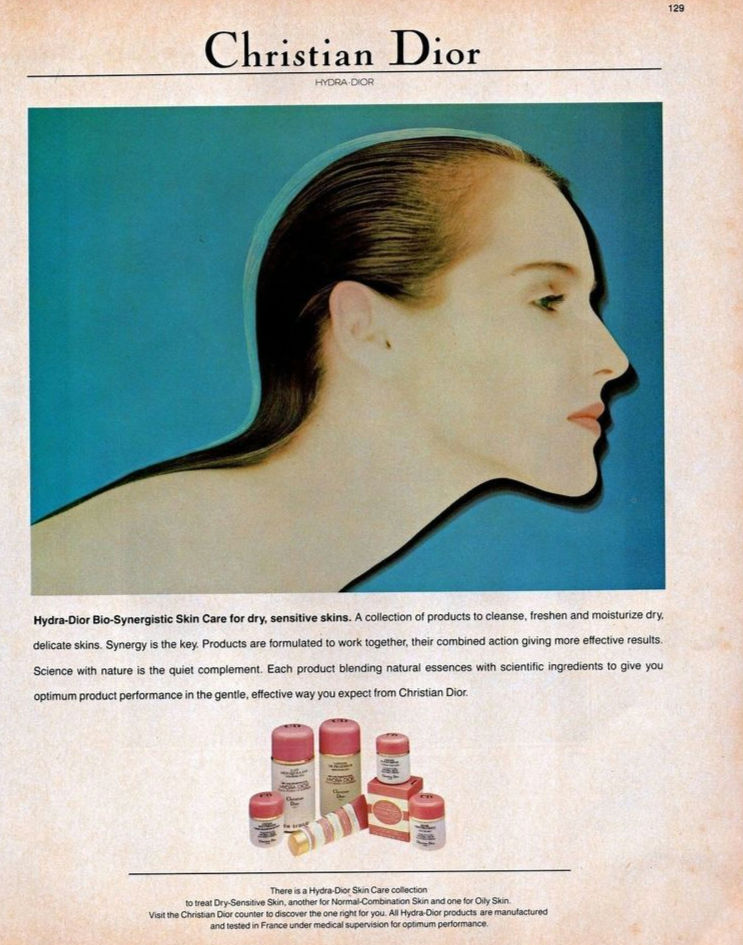
There are a cream jar and a box from Christian Dior Hydra-Dior skincare line in Becky’s dressing room.
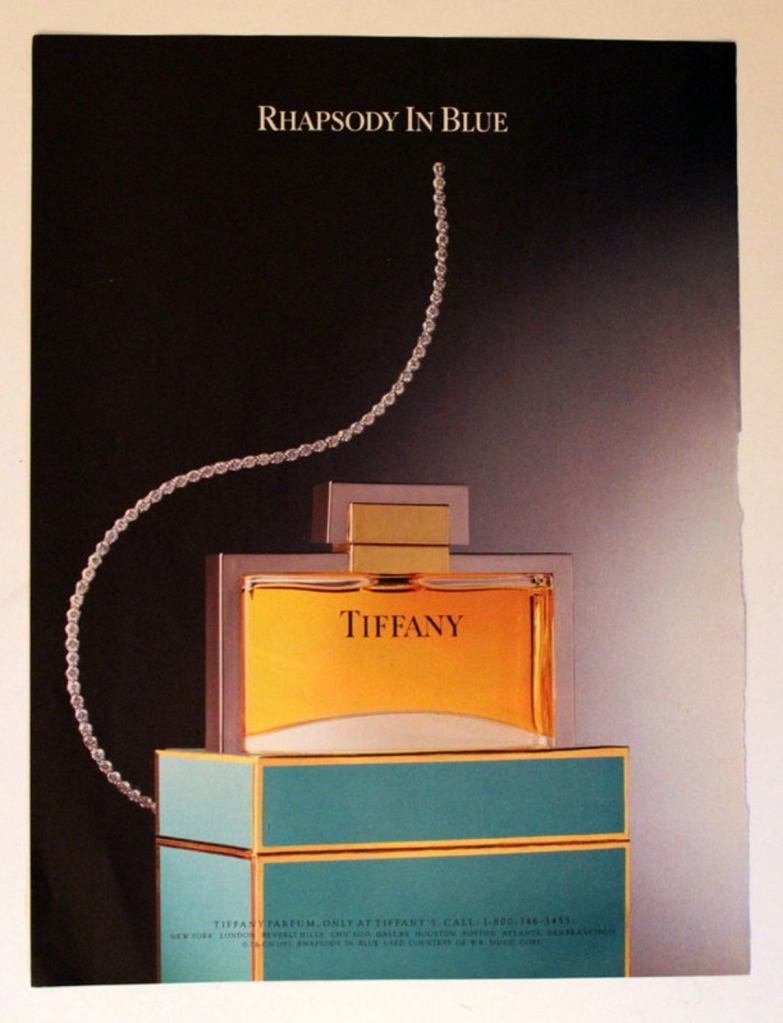
The squared bottle in the background is Tiffany by Tiffany, housed in a beautiful Tiffany blue display box. This perfume, launched in 1987, was created by Francois Demachy.
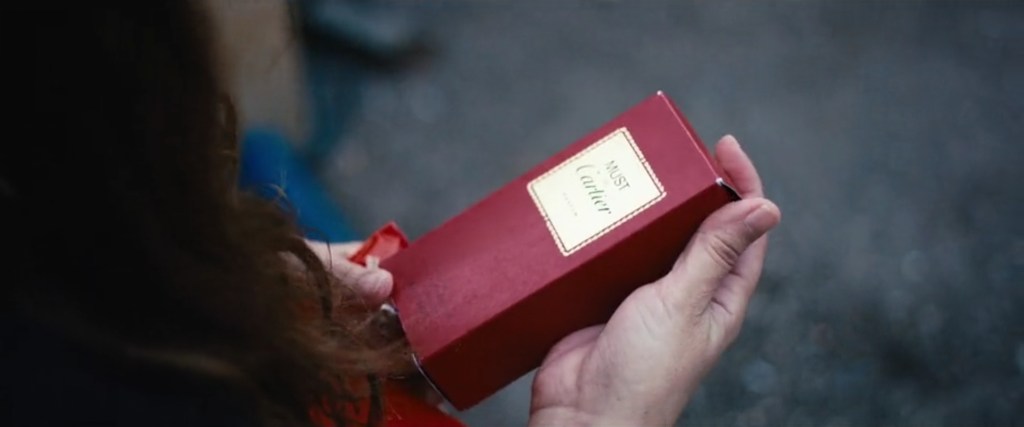
With the first money Dounia earns from working for Rebecca, she gets a perfume for her mother – Cartier Must de Cartier. The red box with white front label is supposed to be for the eau de parfum version, but the box seen in the film has an odd shape (it’s rectangular and not square). Is this an old packaging or a fake perfume? In any case, this gift makes the girl’s mother overjoyed.
The first from the left is Bond No. 9 The Scent of Peace, a citrusy creation by Michel Almairac.
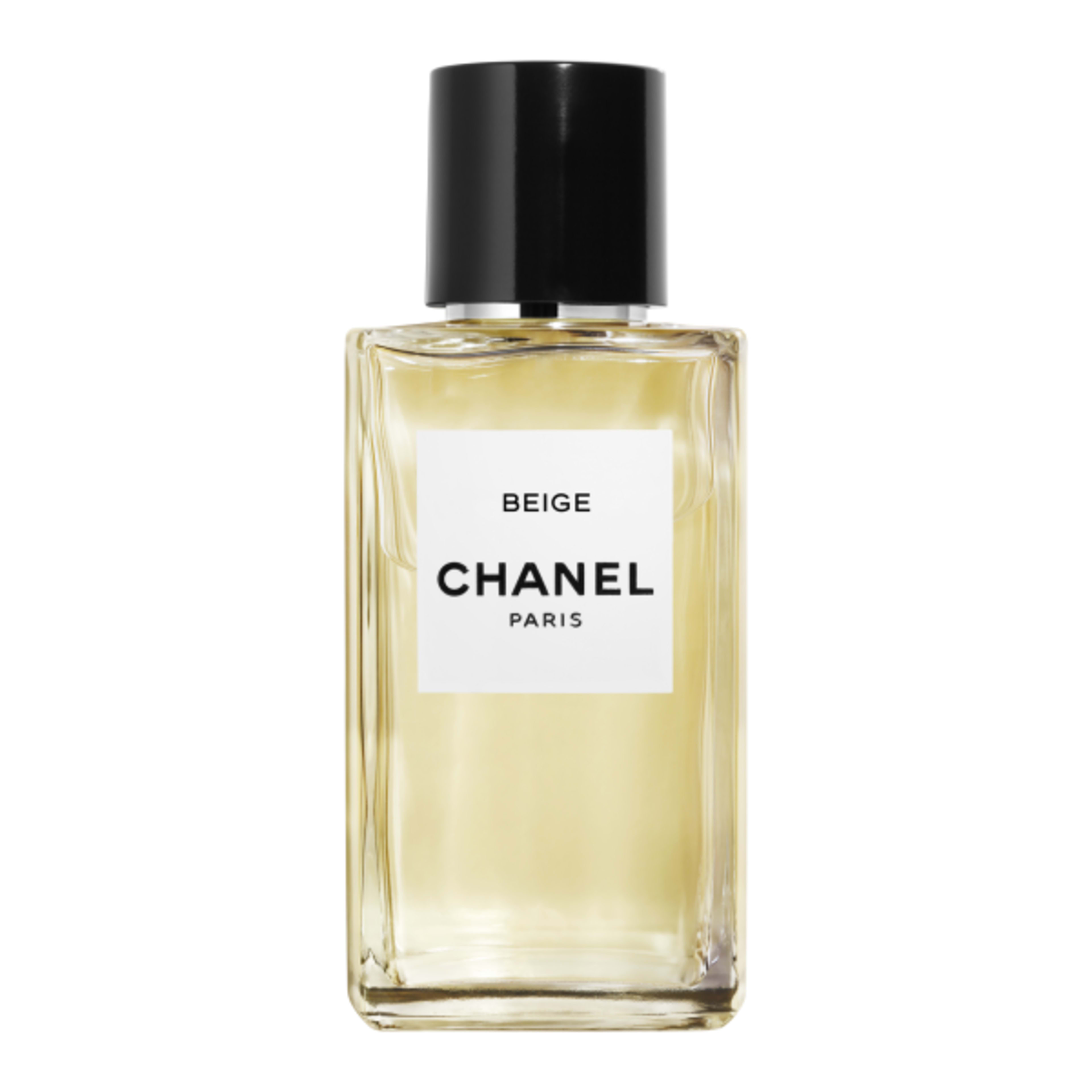
Then there’s Chanel Beige, from Les Exclusives de Chanel collection. It was created by Jacques Polge and presented in 2008.
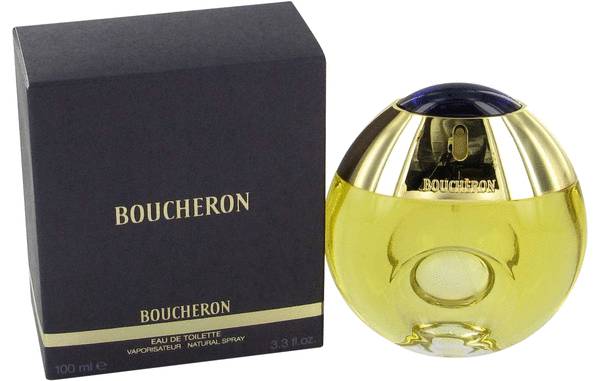
The large spray bottle that resembles a ring is Boucheron pour femme by Boucheron, a fragrance created by Francis Deleamont and Jean-Pierre Bethouart and launched in 1989.
Bond No. 9 Andy Warhol Lexington Avenue is from a collection dedicated to the American pop artist. Named after the street where Warhol first lived in New York, it is housed in a bottle decorated with shoe sketches by Warhol himself. Launched in 2008, this fragrance was created by Claude Dir.
Another perfume inspired by luxury jewellery is Cartier Panthère de Cartier, housed in a beautiful faceted bottle topped by a panther (symbol of the maison). Created by Alberto Morillas, this white floral scent by launched in 1986.
TokyoMilk No. 06 Dead Sexy is a woody fragrance with vanilla notes created by Margot Elena.
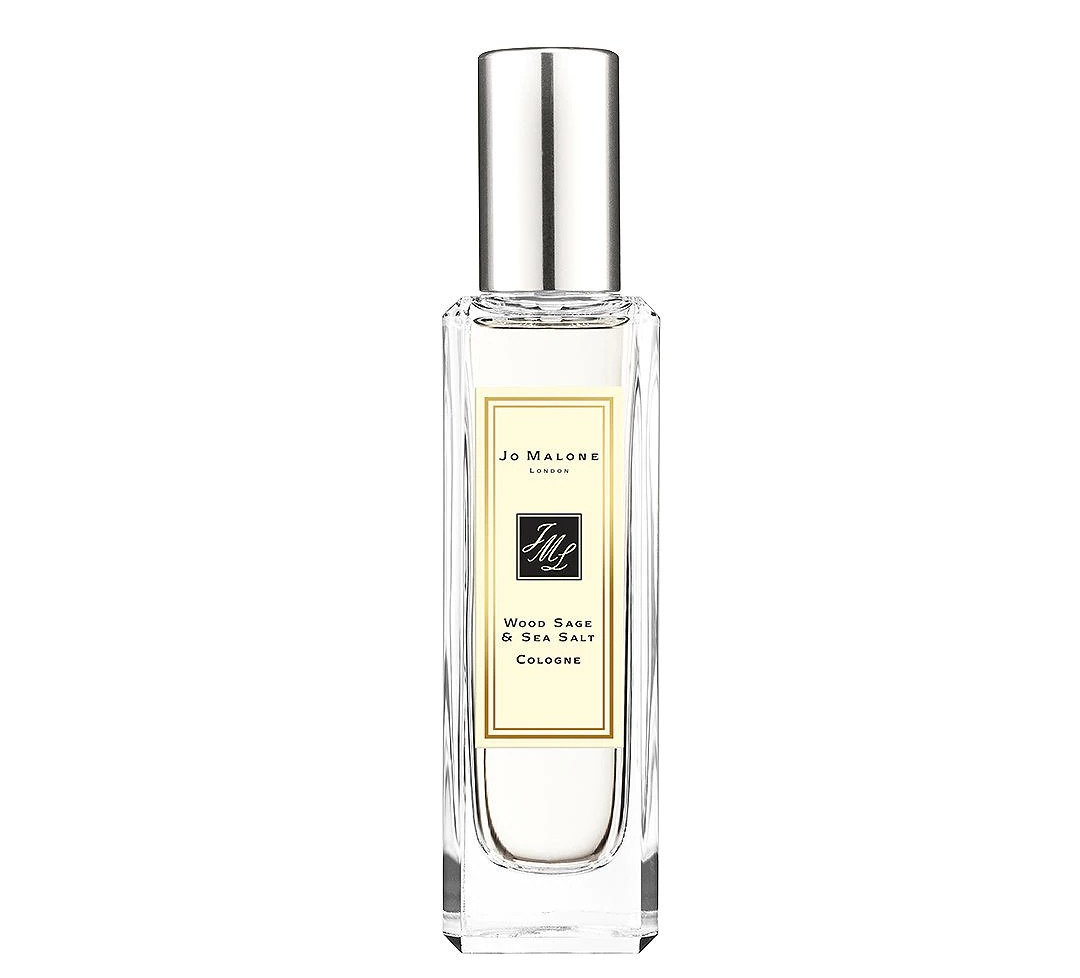
The two bottles on the far right are both by Jo Malone: one – decorated with flowers – is Peony & Moss cologne; the other is an indefinite cologne.
Thanks to my reader Claudia for submitting this post.
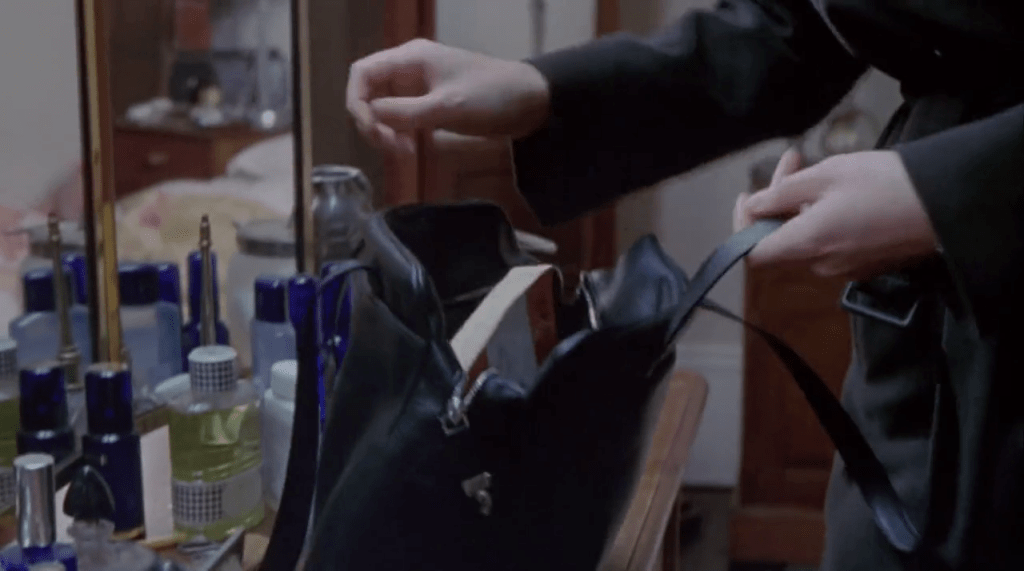
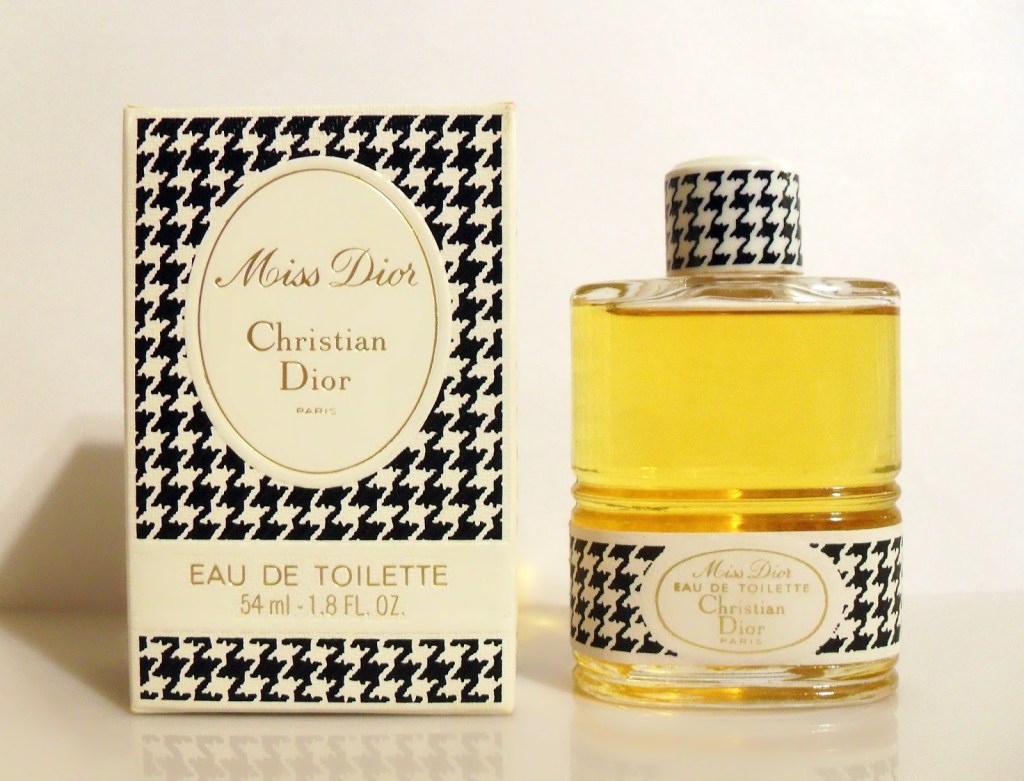
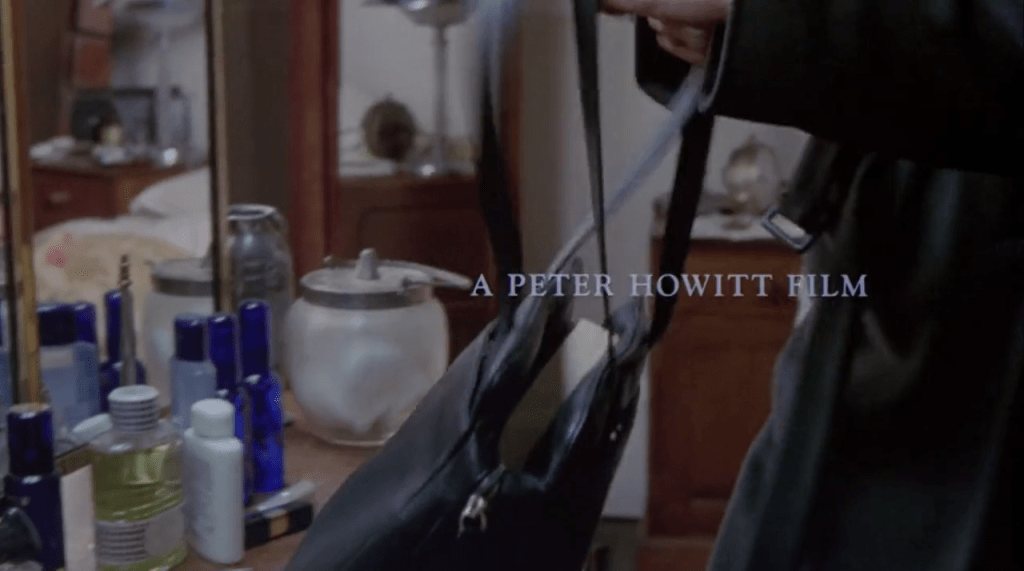
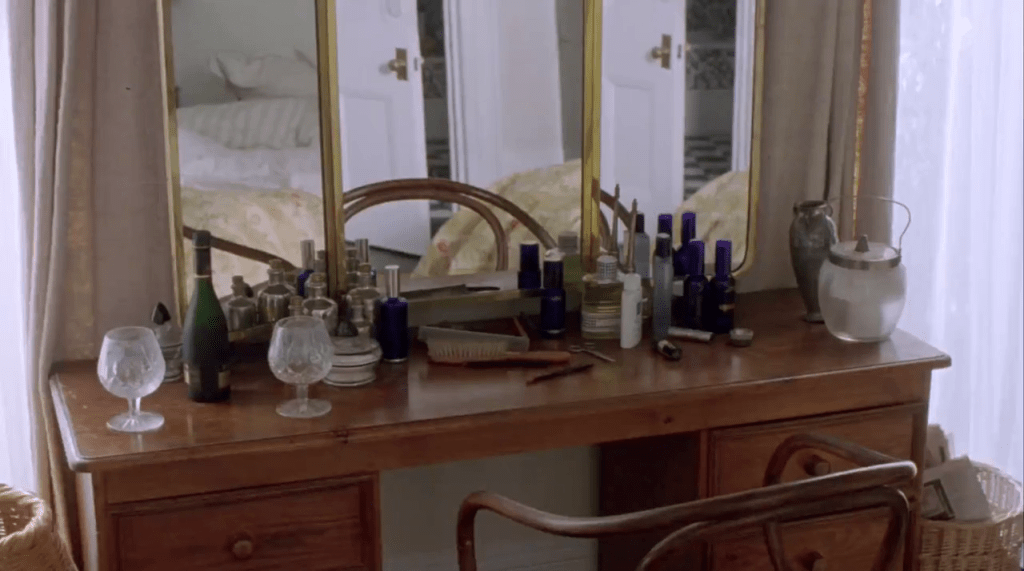
There’s a Christian Dior houndstooth splash bottle on Helen’s vanity, but unfortunately the front label is never clearly visible. It looks white with a touch of pink, but it could be just a lighting trick. In any case, this bottle was used to contain eaux de toilette and eaux de cologne, so many possibilities open up. I think we should follow one lead, though: what vintage Dior perfume could appeal to an elegant working girl like Helen? We don’t know a lot about her background, so this bottle could be something she received from her mother or grandmother, or she could have bought it for herself. I personally think she would wear a classic, so either Diorissimo or Miss Dior.
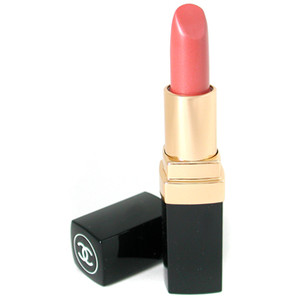
There’s another classic product on the vanity – a Chanel lipstick.
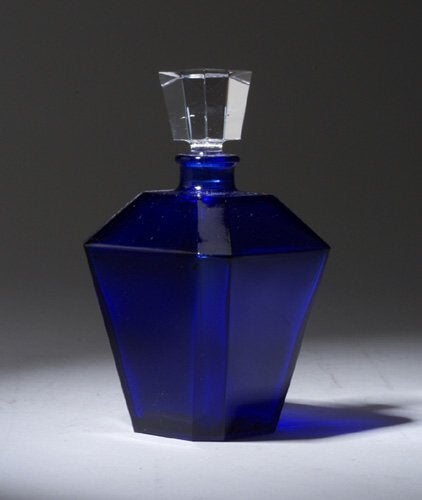
And what about the blue glass bottles (four of them!)? They remind me of Neal Yard’s products (the film is set in London, so it would be a logical choice), but I found no evidence the brand used these bottles in the 1990s.
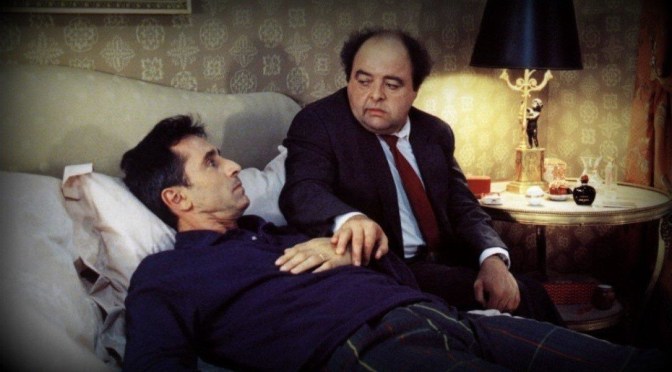
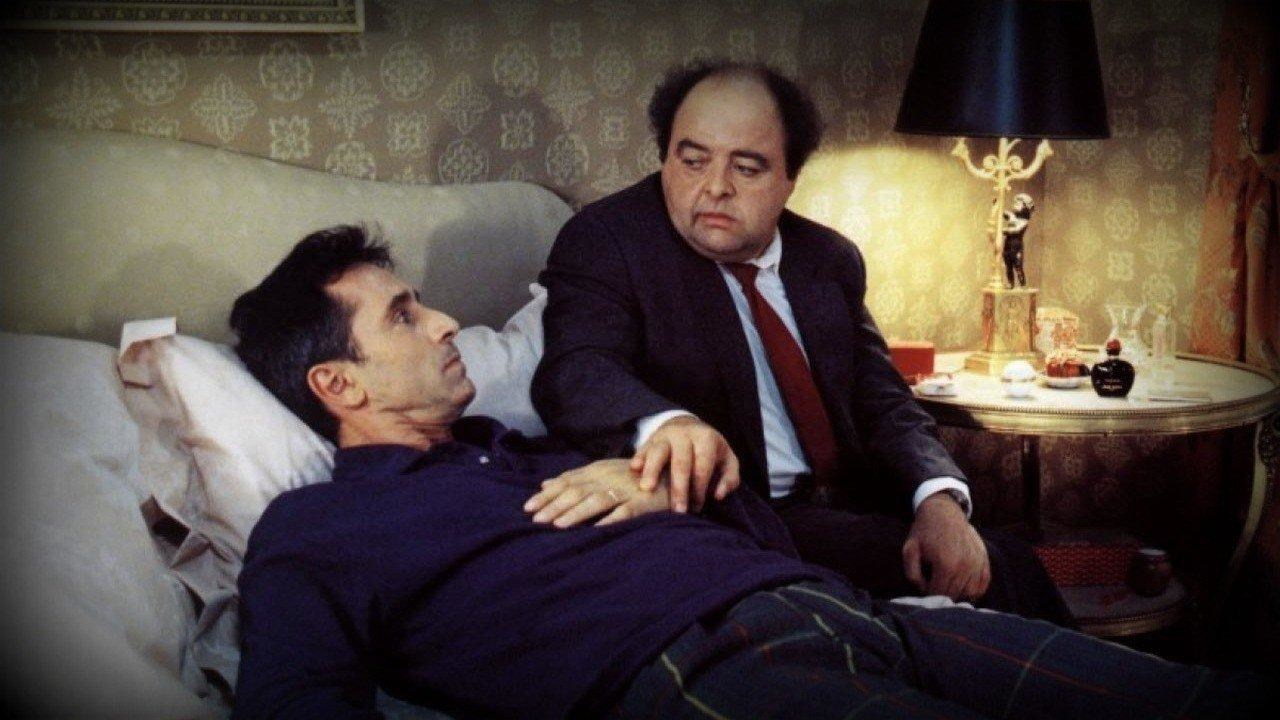
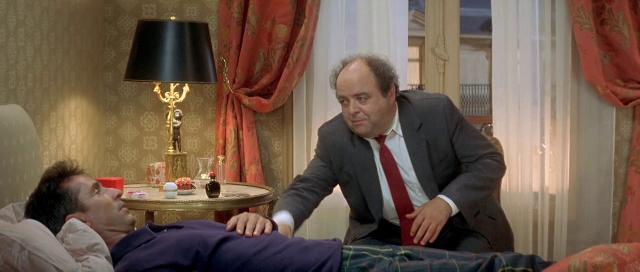
Pierre Brochant (Thierry Lhermitte) is a Parisian publisher who attends an “idiots’ dinner” every week with his posh friends: they usually invite an “idiot” and ridicule him during the dinner. The “idiot” he’s selected is François Pignon (Jacques Villeret), who works at the Finance Ministry. Pierre’s plan is disrupted by a sudden back pain which will keep him in bed; from there, comedy ensues.
The bottles on the bedside table in Pierre’s bedroom belong to his wife Christine. They are classy French fragrances, exactly what we would expect a chic bourgeois woman to wear.
The black bottle with red stopper is Joy by Jean Patou, the white floral fragrance created by Henri Almeras in 1930.
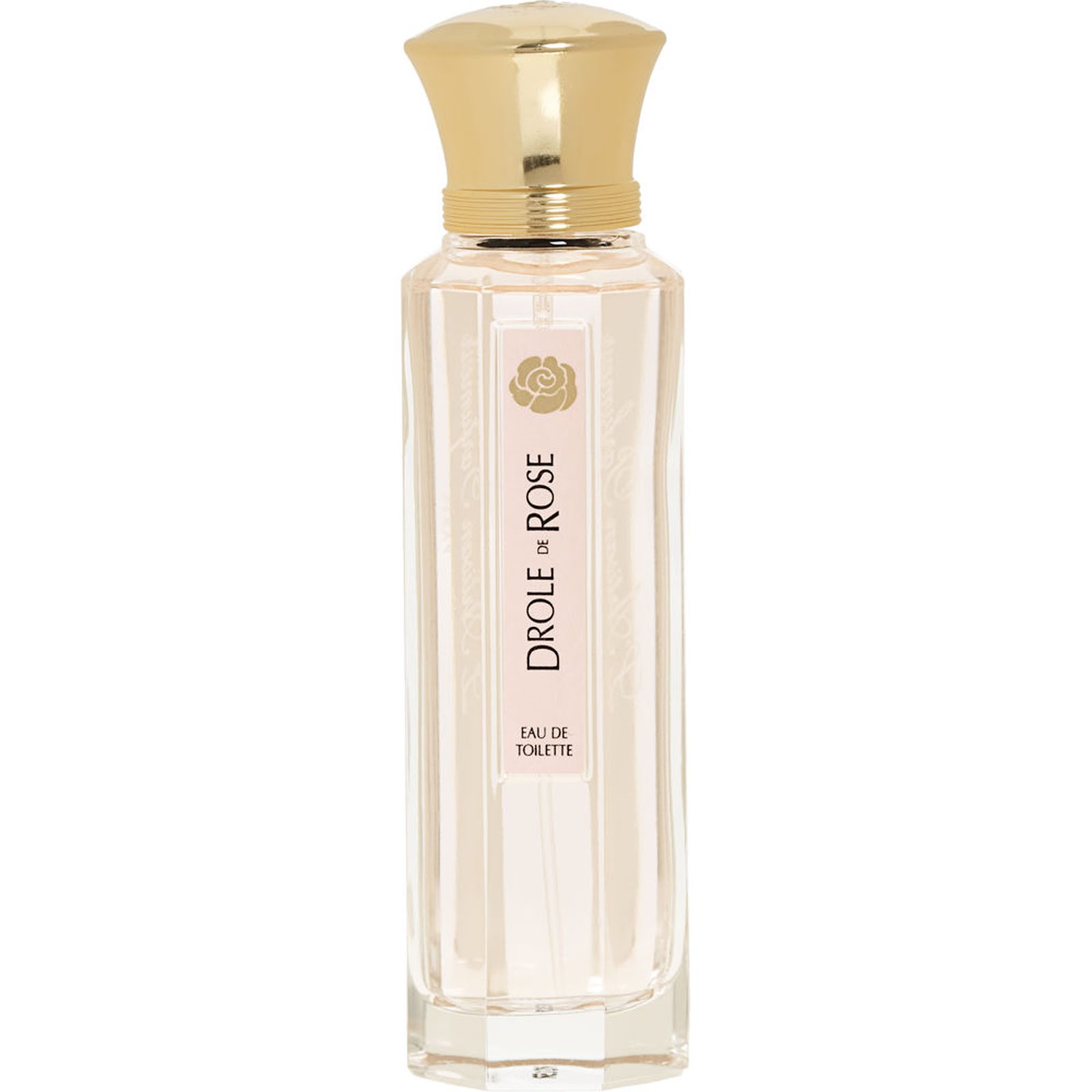
The tall bottle is a perfume by L’Artisan Parfumeur. This is one of the first bottle designs of the French brand: it’s not clear if it’s the very first (8-side bottle) or a more recent version (7-side bottle). We know it’s an old bottle also because the gold stopper is round and not geometric. The front label is pink and only one perfume with this packaging was released before the film: Drôle de Rose. Created by Olivia Giacobetti, it was launched in 1996.
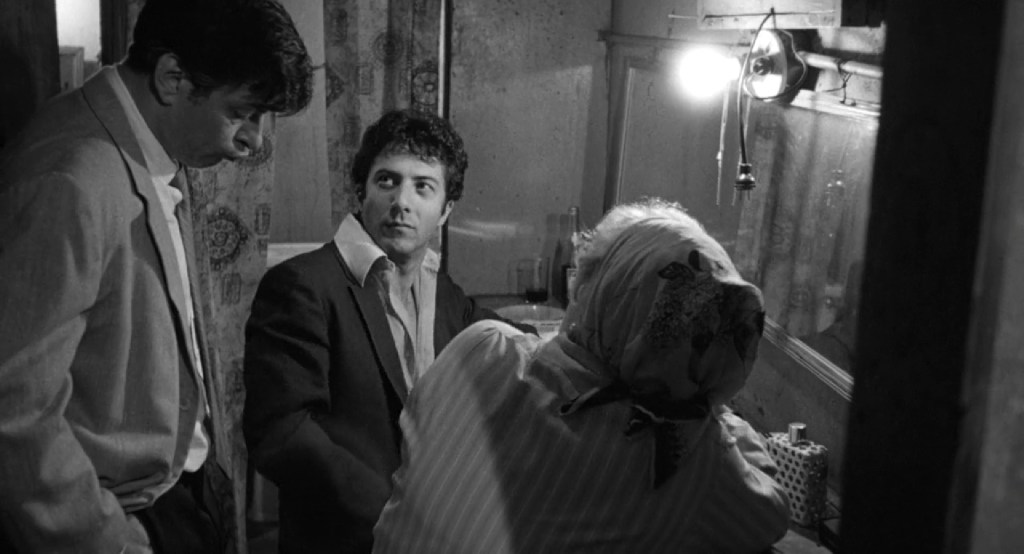
On their first meeting, Ocho and Javi visit the Museu de Perfum in Barcelona, founded in 1961, currently displaying more than 5,000 bottles. Some of them are highlighted in a brief scene.
The first bottle from the left is Schiaparelli Zut, housed in a geometric flacon. This perfume was created by Jean Carles and launched in 1948.
One of the most treasured pieces of the museum is a limited-edition Baccarat bottle designed by Salvador Dalí. Le Roy Soleil by Schiaparelli has the shape of a rock surrounded by waves, while the sun-shaped stopper is painted with flying birds to create a face. The packaging is a gold metal shell-shaped box lined in beige silk. This perfume, produced in 1947, was created to celebrate the end of WWII and was a homage – from the title to the bottle design – to Louis XIV.
The ivy leaf-shaped bottle (designed by Michel de Brunhoff) on the right is another Schiaparelli creation – Succès Fou. This woody/floral perfume was launched in 1953.
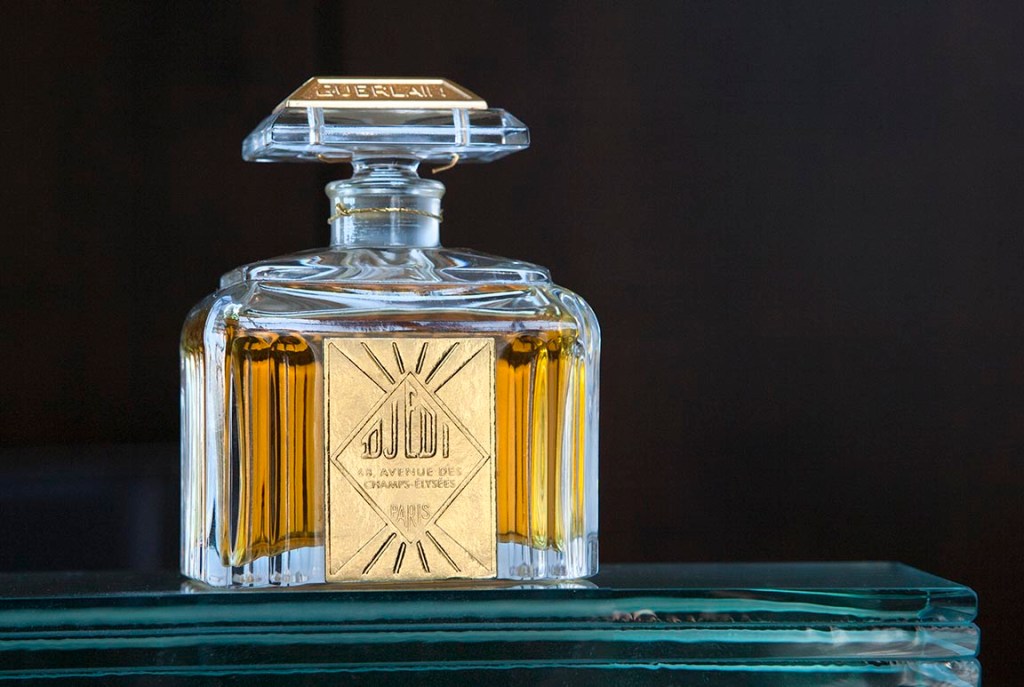
Another cabinet displays Guerlain perfumes. The first bottle on the left (a Baccarat flacon designed by George Chevalier) contains Djediextrait. This oriental chypre perfume, launched in 1927, was created by Jacques Guerlain.
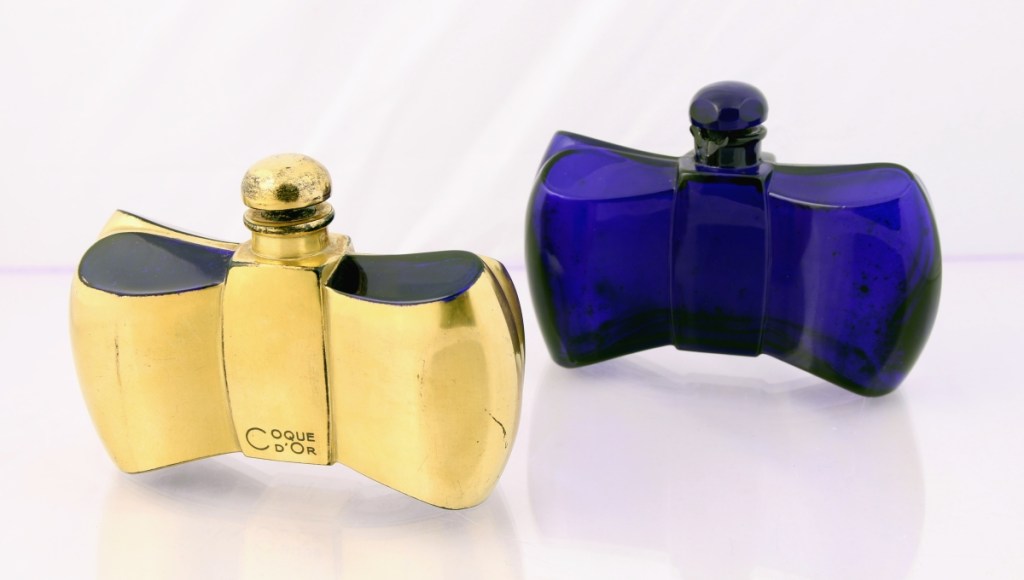
There are some flacons noeud papillon by Guerlain in two versions – the cobalt blue glass one and the gold and cobalt blue glass one. It’s unclear what fragrances they house because this bottle was designed to contain the extraits of several perfumes, like Kriss and Coque d’Or.
Half-hidden in the background there’s a cobalt blue flacon lanterne, first launched in 1935 to contain extraits of perfumes like Jicky, Rue de la Paix and Cuir de Russie.
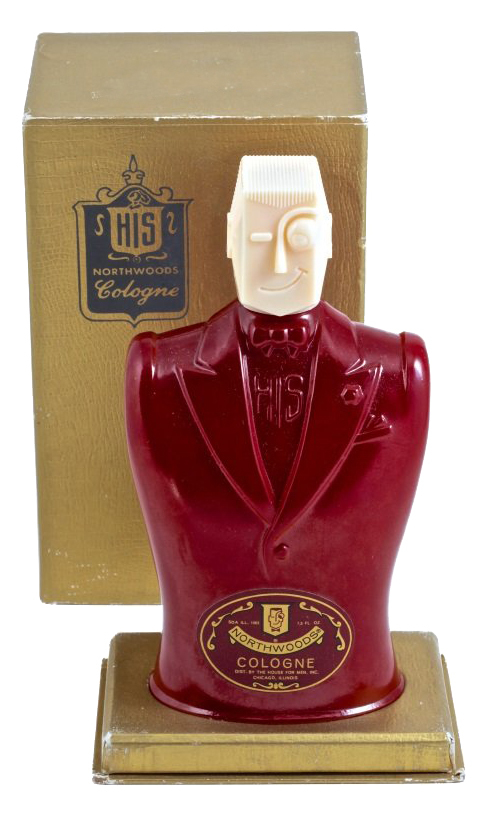
Last but not least, a very original item: it’s HIS cologne by Northwoods, a fragrance launched in 1940. A man-shaped dark red bottle with a “face” stopper is designed in an Art-Deco style.
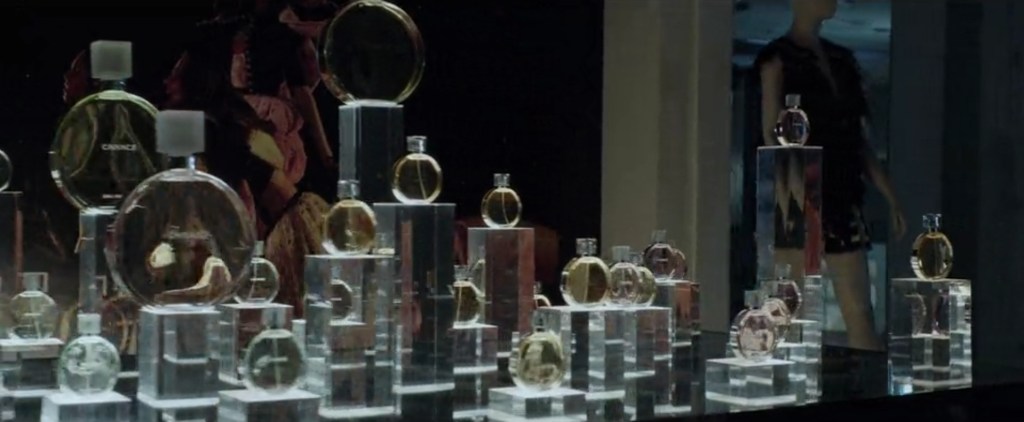
A huge display of Chanel Chance can be seen in different scenes, all set in the Parisian department store where the protagonists have a dangerous night.
The woody perfume, housed in a unique round bottle, was created by Jacques Polge and launched in 2003.
A growing archive of beauty products and perfumes in movies and tv shows









 There’s a bottle of Chanel No. 5 on a dresser in Emma and Dexter’s bedroom.
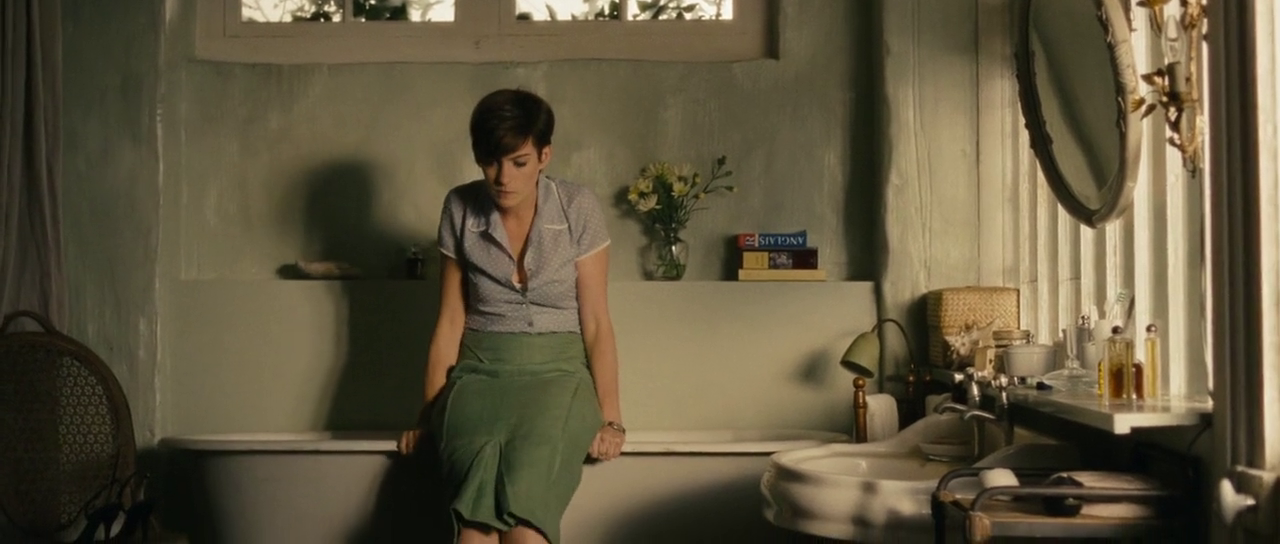
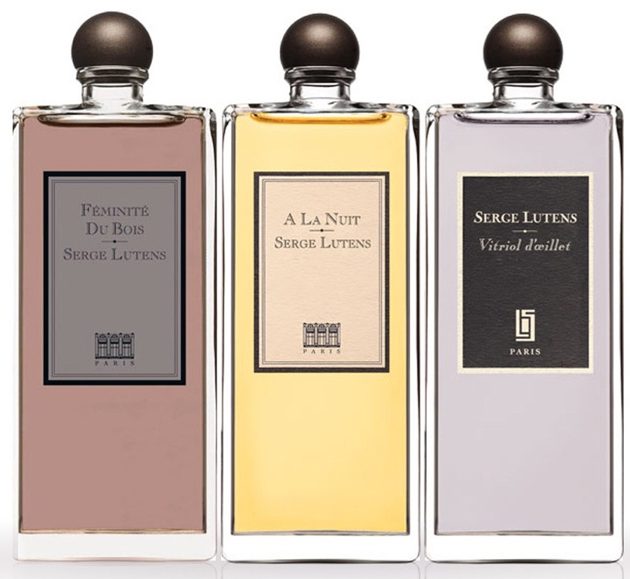 There are two Serge Lutens perfumes in the bathroom of Emma’s Parisian house.









 World Wide Aura