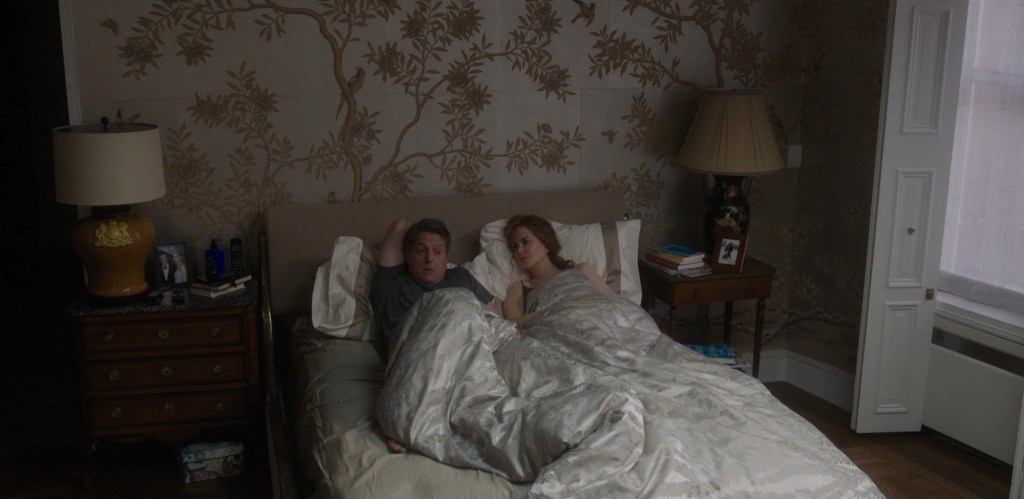
Teenage Mireille (Jasmine Lemée) is painting her mother Madeleine’s nails red.
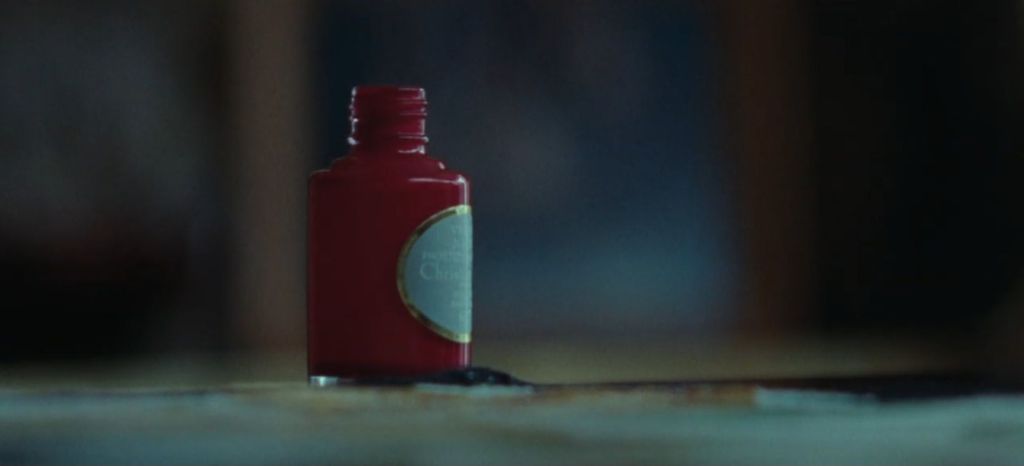
The nail polish is by Christian Dior.
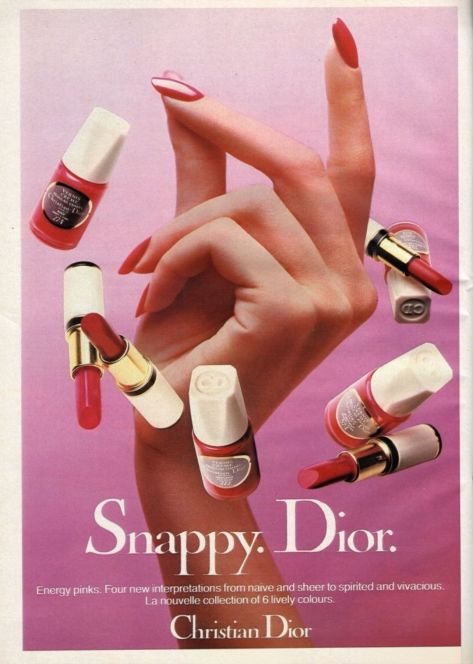
This is the packaging Dior nail polishes had in the 1980s and early 1990s.
Teenage Mireille (Jasmine Lemée) is painting her mother Madeleine’s nails red.
The nail polish is by Christian Dior.
This is the packaging Dior nail polishes had in the 1980s and early 1990s.

Henry (Noah Jupe) is brushing his teeth. Some toiletries and fragrances can be seen in the elegant marble bathroom where he’s standing.
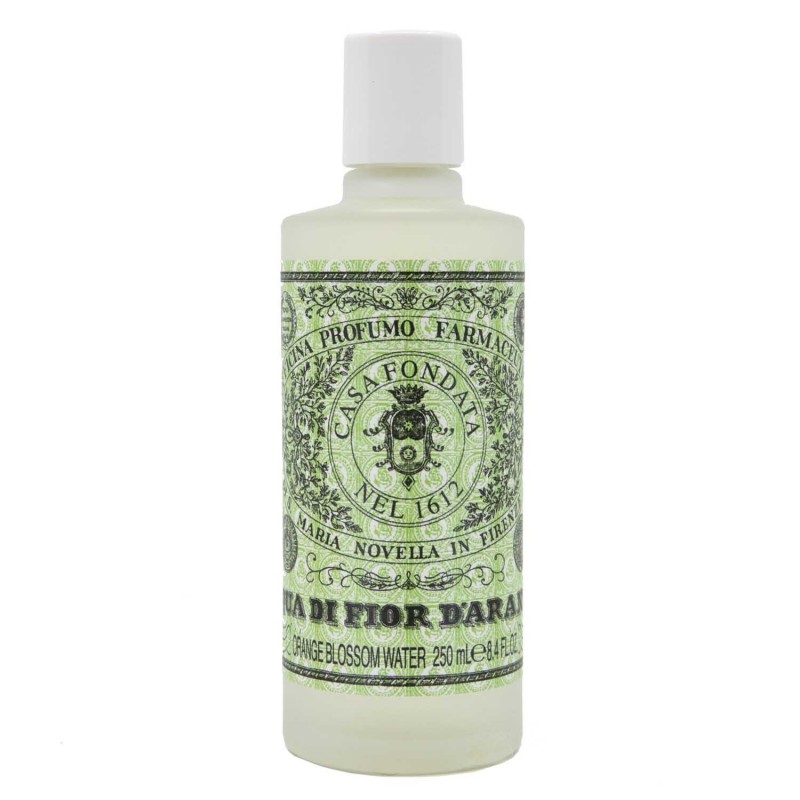
By the washbasin there’s a bottle by Officina profumo-farmaceutica di Santa Maria Novella. It contains a toner but it’s impossible to be more precise because the front label is unreadable.

The pale pink and white bottle is Gucci Bloom eau de parfum, a white floral fragrance by Alberto Morillas launched in 2017.
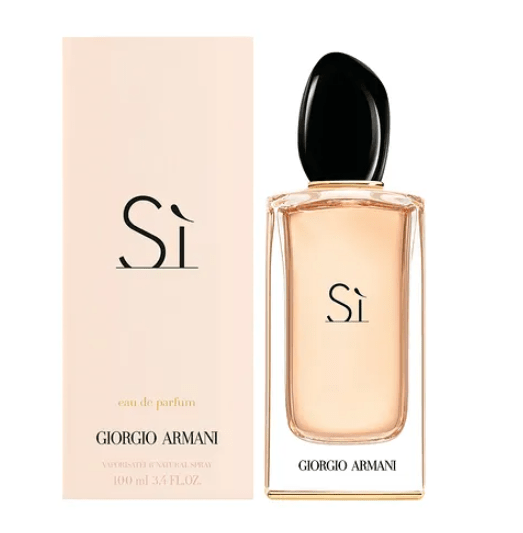
Moving to the bath tub area opposite the boy, we can see several bottles on a round table. On the left side of the table there’s a bottle of Giorgio Armani Sì, a chypre fragrance by Christine Nagel launched in 2013.

There’s also Chanel N°5, originally created by Ernest Beaux and launched in 1921.
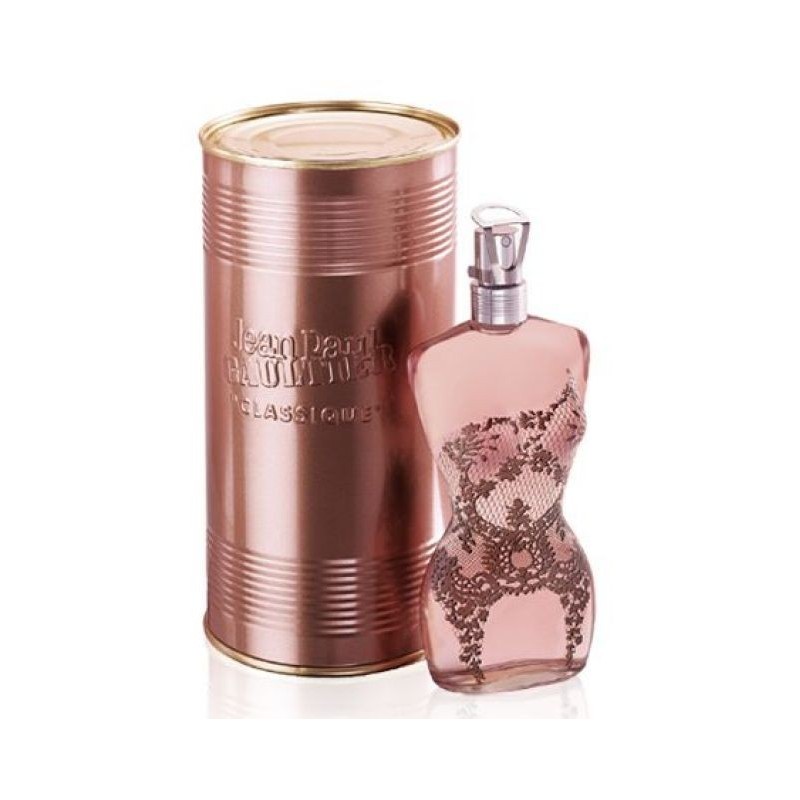
Last, there’s a bottle of Jean-Paul Gaultier Classique eau de parfum. This floral fragrance, heavy on vanilla, is one of the masterpieces by Jacques Cavallier, launched in 1992.
Thanks to Victoria for submitting this post.


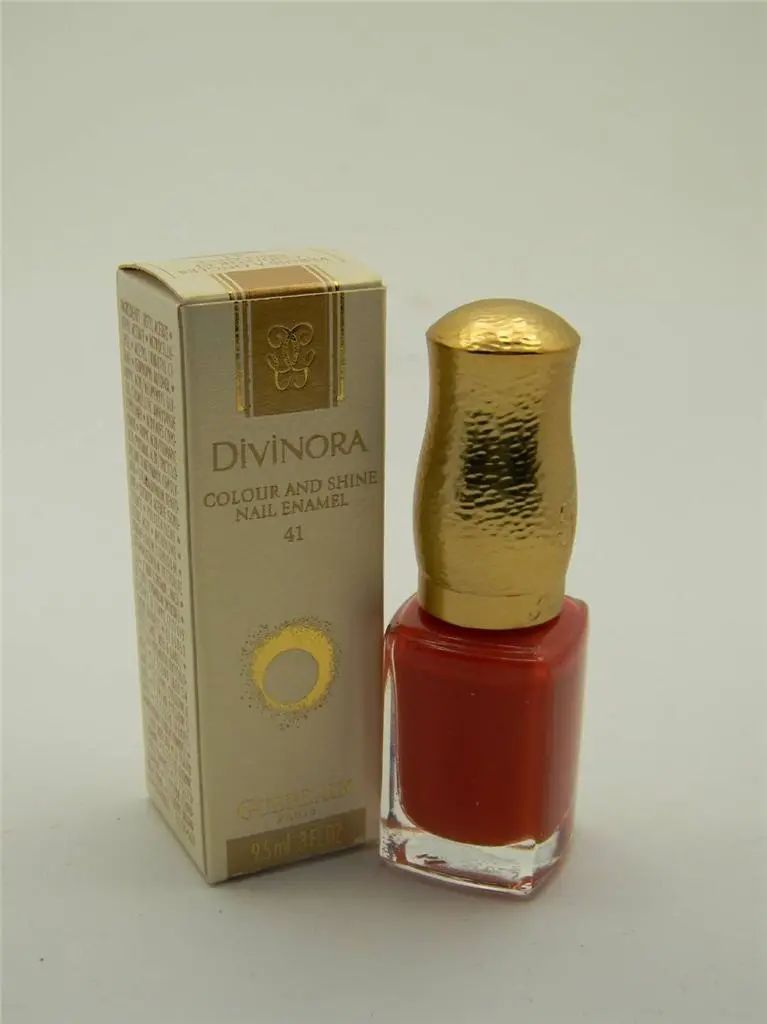
The red nail polish that Gertrude (Janet McTeer) applies on her fingernails and on Daphne’s toenails is Divinora by Guerlain.
This is a historically inaccurate choice (the film is set in the 1940s, while the Divinora make-up line was launched in 1990s), but I understand why the film’s prop masters made it: there’s a certain vintage feel to this bottle that makes it realistic in a 1940s context.

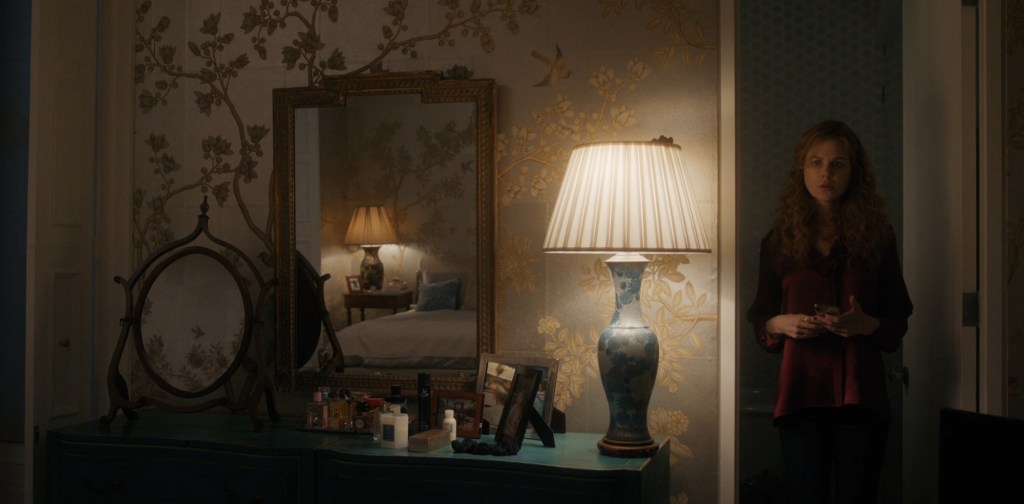
There are several fragrance bottles on a dresser in Grace’s bedroom.
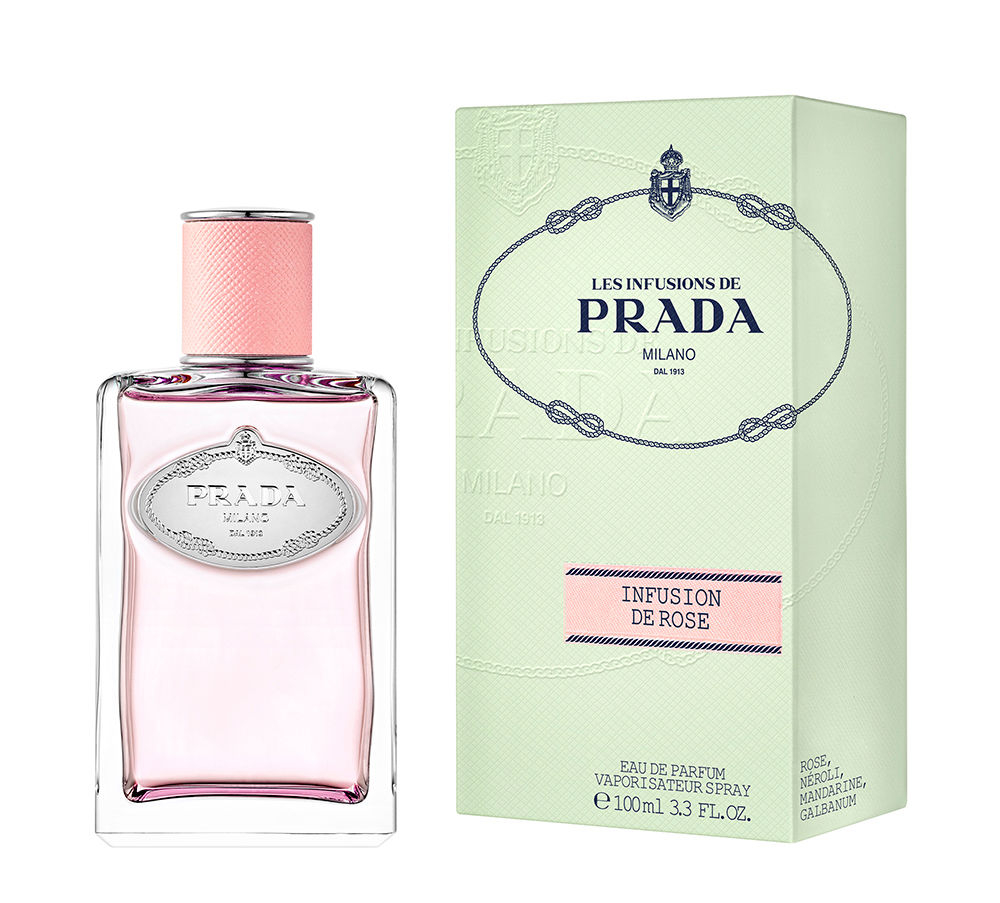
Starting from the left: the bottle with pink stopper is Prada Infusion de Rose, launched in 2017.
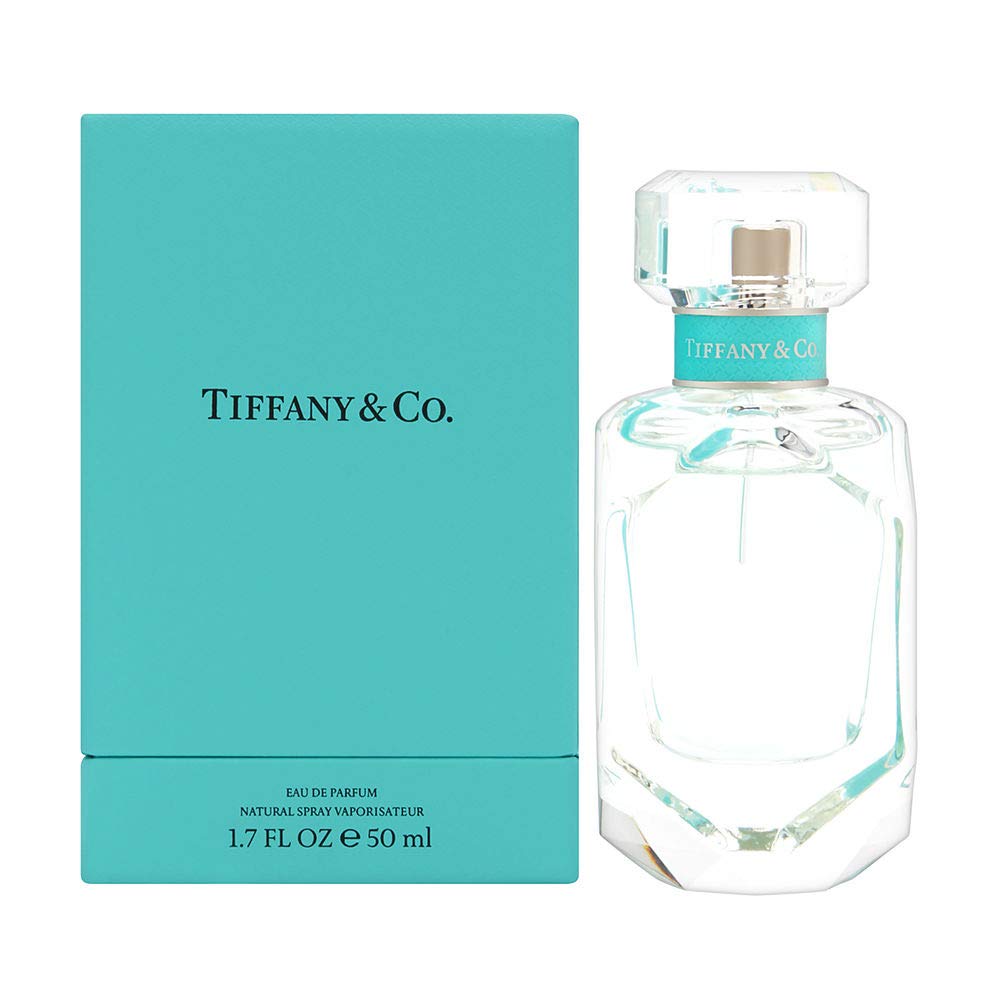
Right behind it there’s Tiffany & Co. Tiffany, a floral fragrance created by Daniela Andrier and launched in 2017.
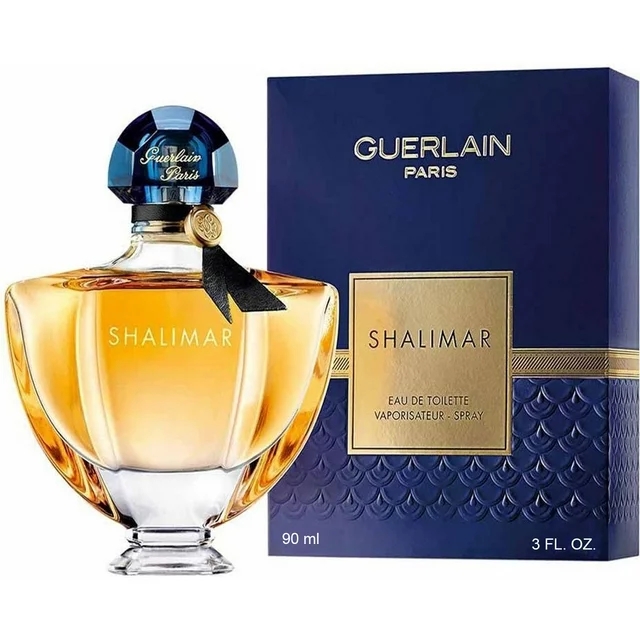
Next, the flacon chauve souris of Guerlain Shalimar, originally created by Jacques Guerlain and launched in 1925.

There’s also Hermès Twilly d’Hermès, a white floral fragrance by Christine Nagel launched in 2017.
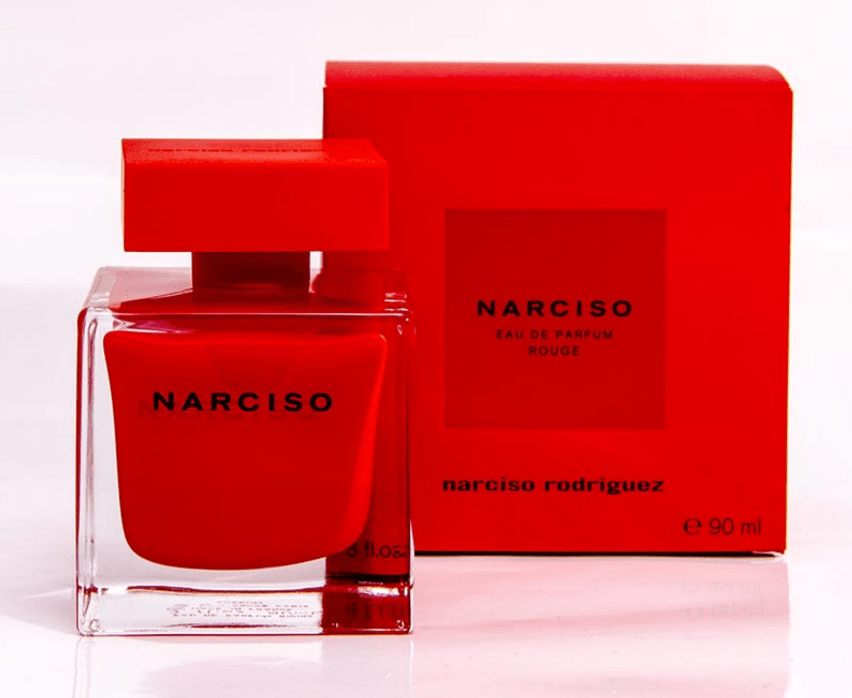
The short bottle with red stopper in the back is Narciso Rodriguez Narciso Rouge, a musky fragrance created by Nadege le Garlantezec and Sonia Constant and launched in 2018.

Last, the dark tall bottle in the back is Y by Yves Saint Laurent, an aromatic fougère fragrance by Dominique Ropion launched in 2018.
Thanks to Victoria for submitting this post.

Taking a look at the Trumps’ bathroom circa mid 1980s (as imagined in the film) is a bizarre experience because fragrances from very different decades make their appearance. Some of them even come from the future!

The first item that caught my attention is the glossy black bottle sitting on the third shelf from the bottom. It contains Lanvin Arpège perfumed talc. This is historically accurate because the white floral fragrance by Paul Vacher and Andre Fraysse was launched in 1927.


The first dissonant note comes with the bottle sitting just below Arpège talc. It’s L.A.M.B. by Gwen Stefani, a floral fruity fragrance launched in 2007! As one of my Instagram followers noticed [1], the bottle looks “very 80s” and that’s the only reason why it must have been selected by the film’s prop masters.


When Ivana (Maria Bakalova) sprays some perfume, we’re back on track, although I think this specific fragrance is not what she used to wear back then. It’s a lovely atomiser of Nina Ricci L’air du temps, decorated with yellow flowers and flying doves. At least it makes sense from a temporal point of view – it was created by Francis Fabron and launched in 1948.


The camera moves and another fragrance from the future can be seen on a glass shelf behind Donald (Sebastian Stan). It’s Omnia by Bvlgari, a warm spicy fragrance by Alberto Morillas launched in 2003.


The last fragrance from the future is Burberry Brit, sitting on the top shelf behind Donald. This is another floral fruity creation by Natalie Gracia-Cetto launched in 2003. The bottle design is not even reminiscent of the 1980s, so I really wonder what happened in the art/production design department to opt for such a baffling choice.
[1] This ID happened with the help of many people on Instagram who answered a story I posted after watching the film. Thanks to Jessica, Jack, Cédric, Harry, reveur_etc, and Vick for helping out.


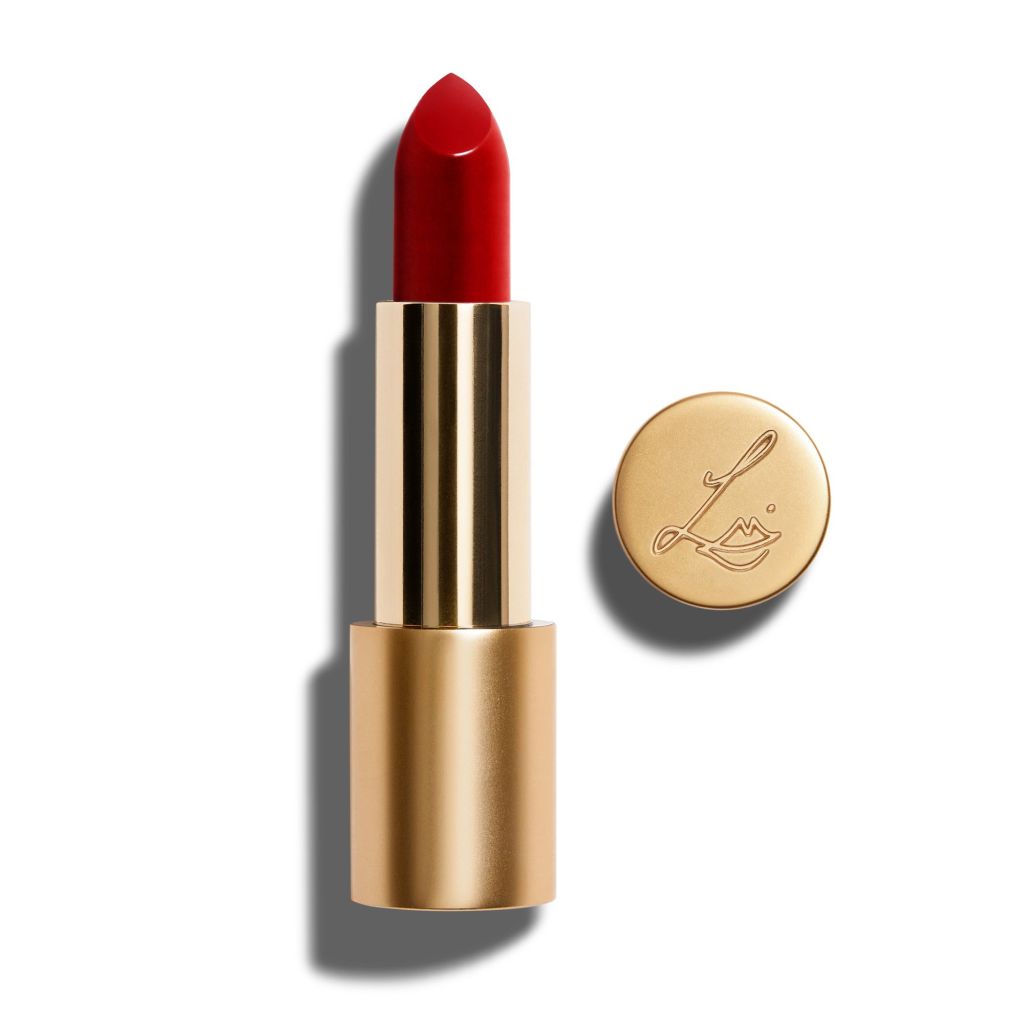
The lipstick that Martha (Tilda Swinton) is wearing is Velvet Ribbon, a classic pillar-box red shade from the True Velvet line of lip colours by Lisa Eldridge.
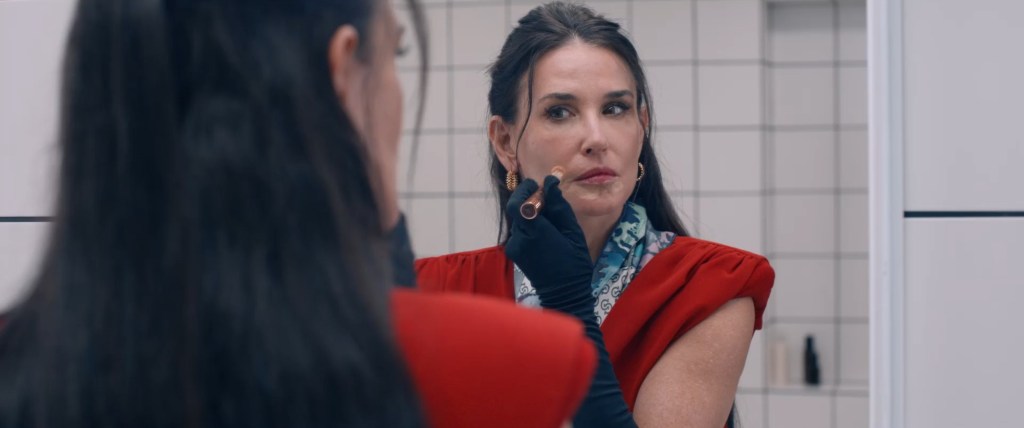
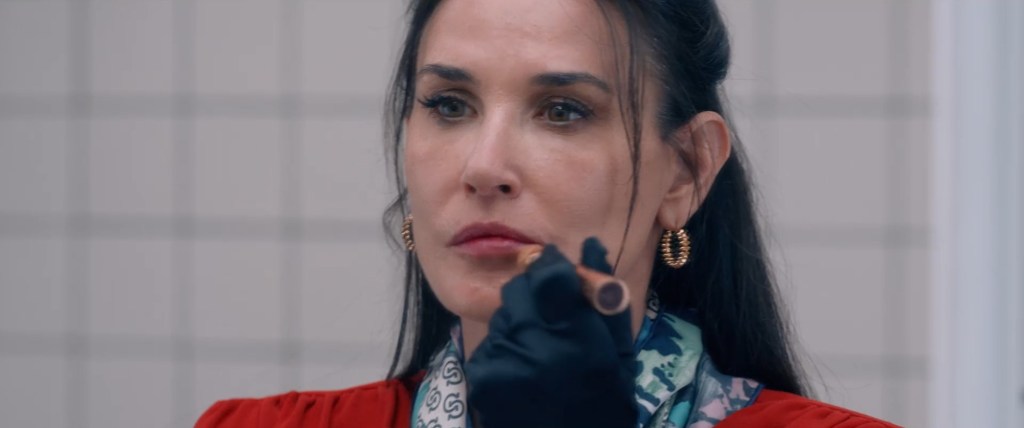
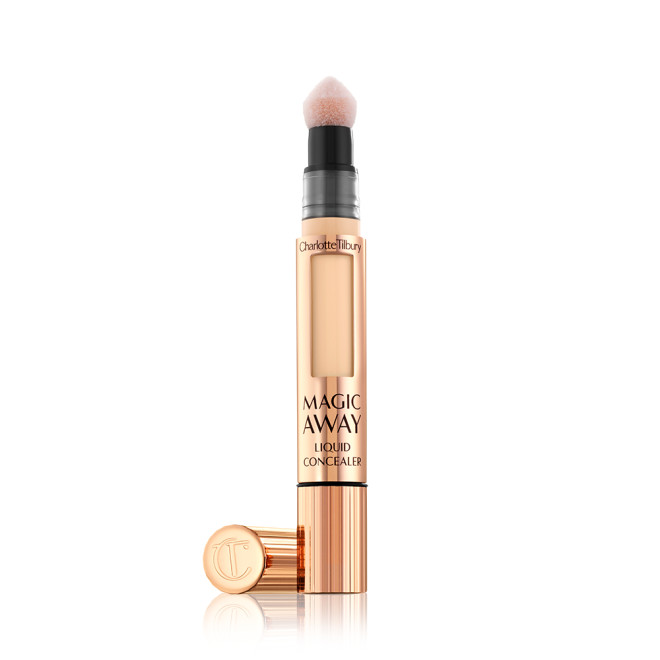
The concealer Elizabeth (Demi Moore) uses is Magic Away by Charlotte Tilbury.
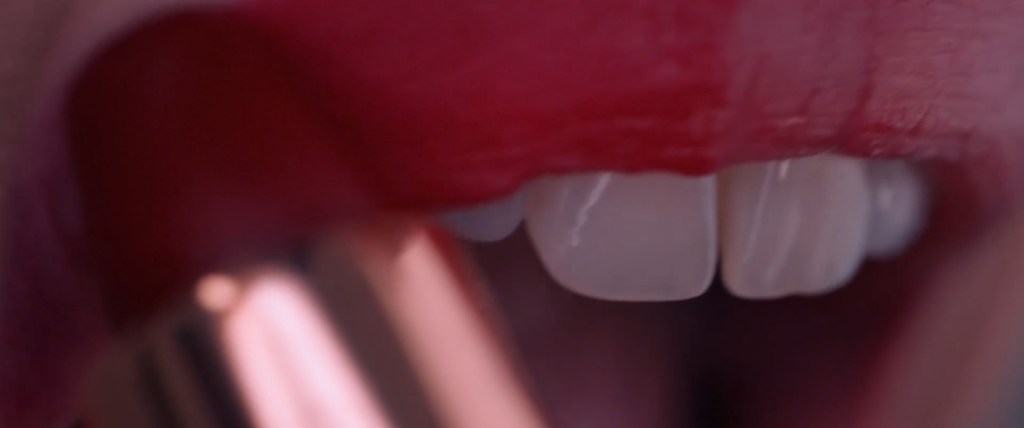
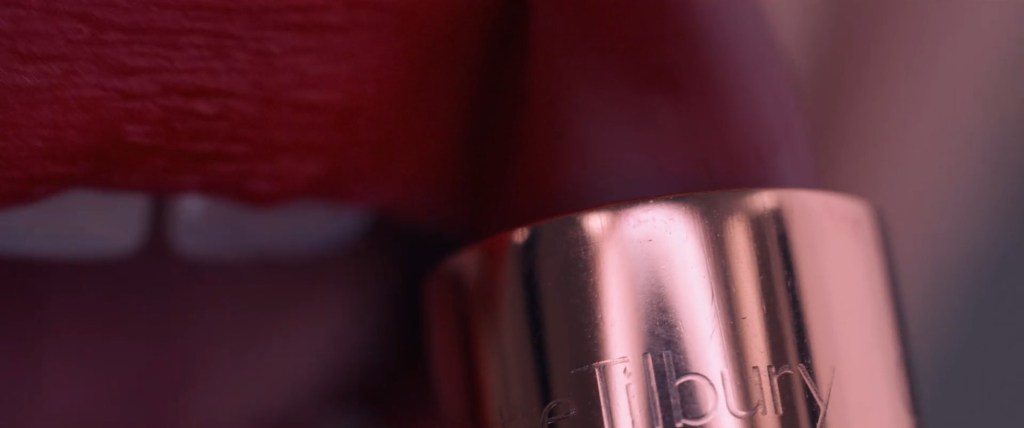

The lipstick that Sue (Margaret Qualley) wears is by Charlotte Tilbury.

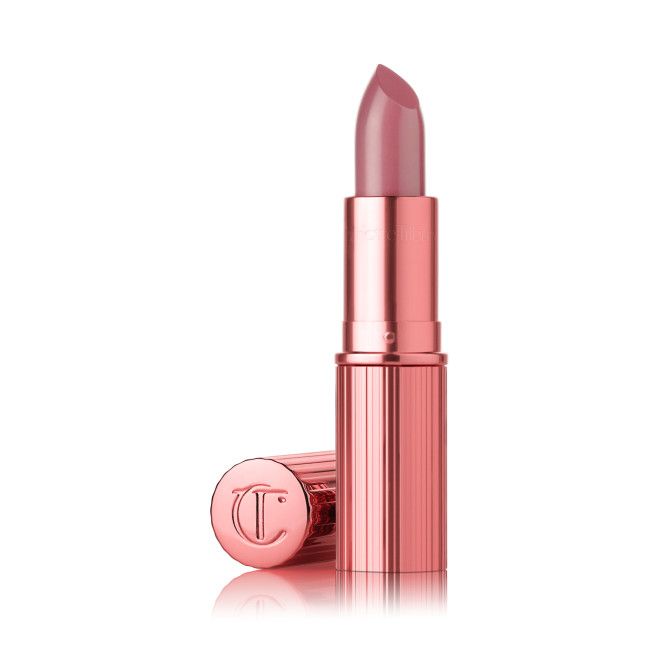
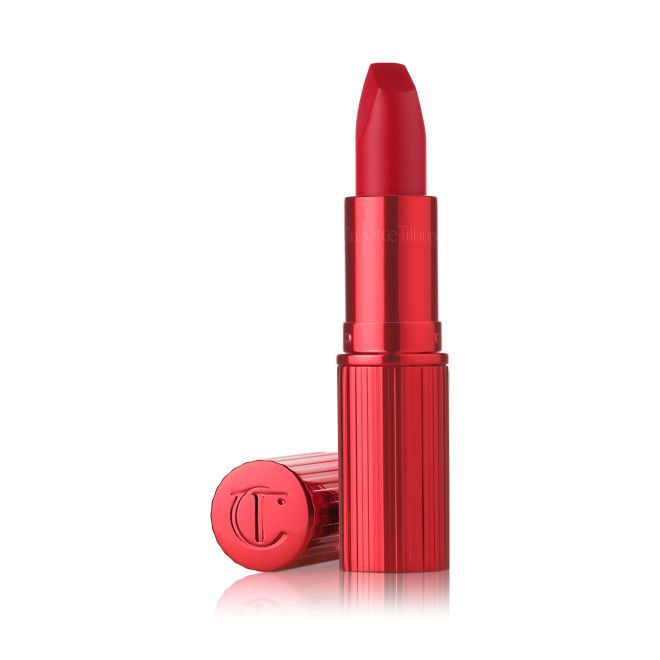
Not sure the collection this shade is from. The metal tube looks pink in the screencaps, which should point towards the K.I.S.S.I.N.G. pink shades, but the lipstick is red. As a matter of fact, Tilbury red lipsticks are usually housed in a golden or in a red tube.