
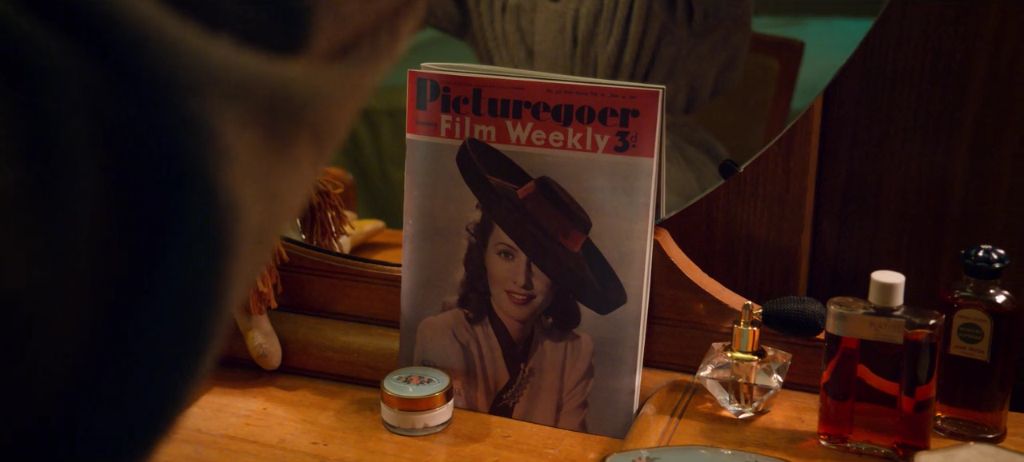
The outfit of the Hollywood star Barbara Stanwyck on the cover of Picturegoer Film Weekly magazine [1] serves as source of inspiration for Mildred Ratched. When it comes to perfumes, though, the nurse has got her own taste.
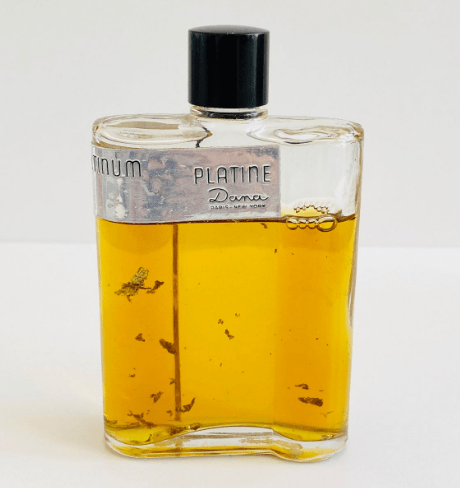
The large splash bottle on the left is Platino / Platinum / Platine by Dana, a fragrance launched in 1934.

The tall fluted bottle with black stopper is Moment Suprême eau de cologne by Jean Patou, The eau de parfum version was launched in 1929.
[1] This is the issue published on June 14th, 1941.








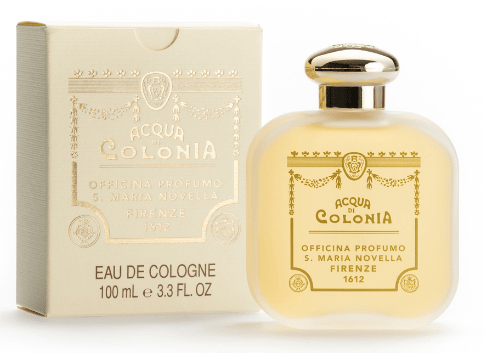

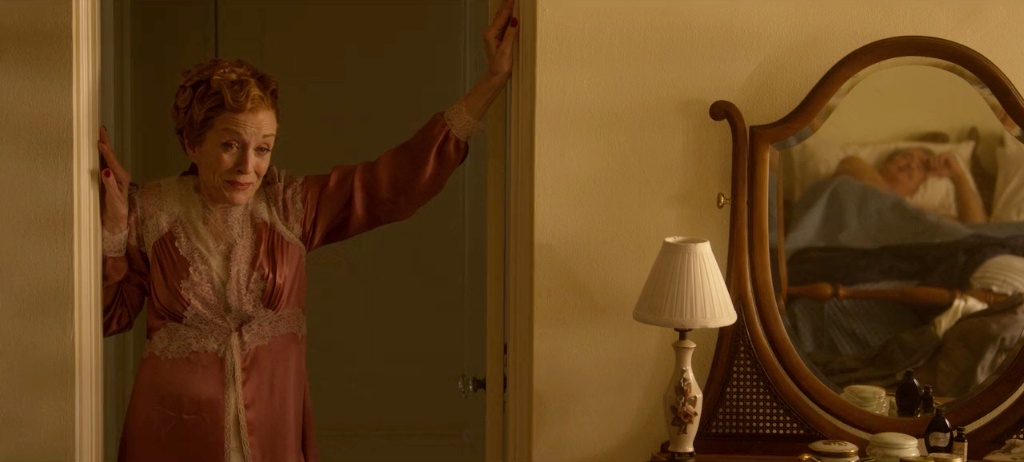
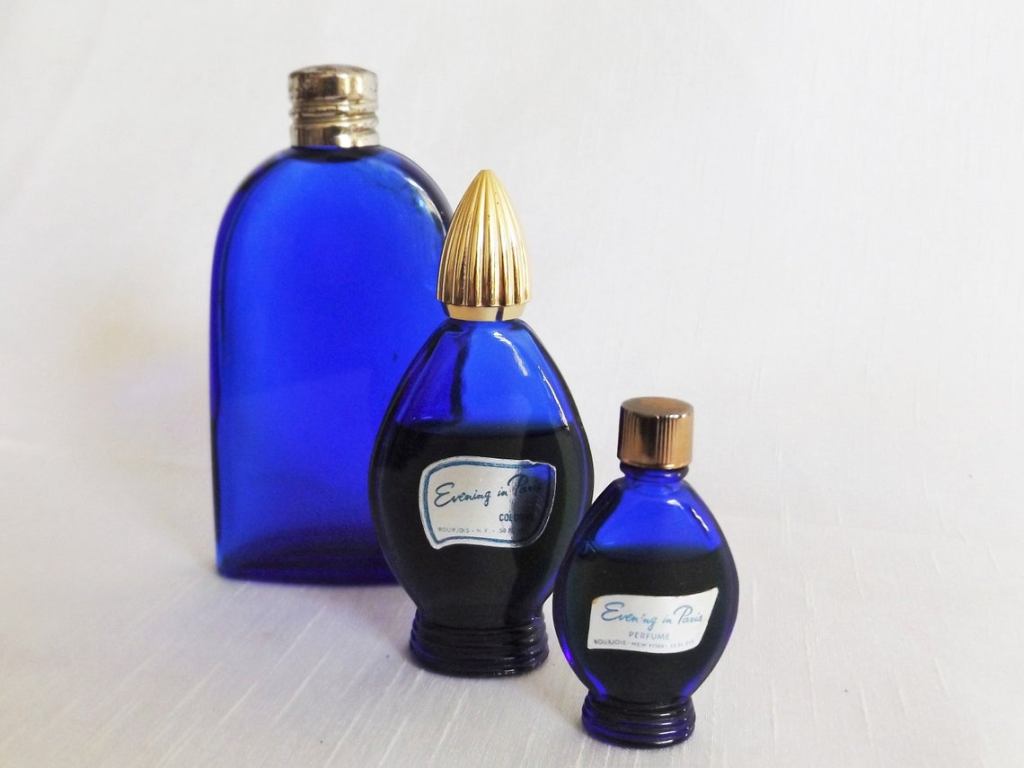

 Tina Fischer receives a package from West Berlin: her brother, Thomas Posimski, is sending food, candy and toiletries.
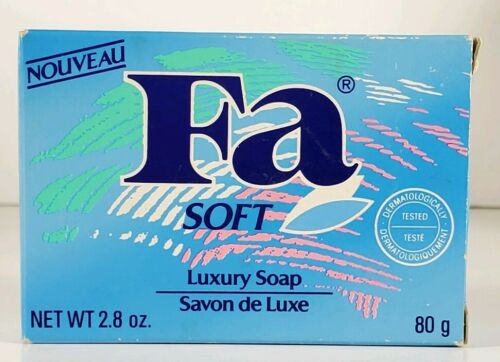 On the left there’s a box containing Fa bar soap, produced in Germany by Henkel.
 Then there’s the after shave
  Last but not least, the iconic blue tin of
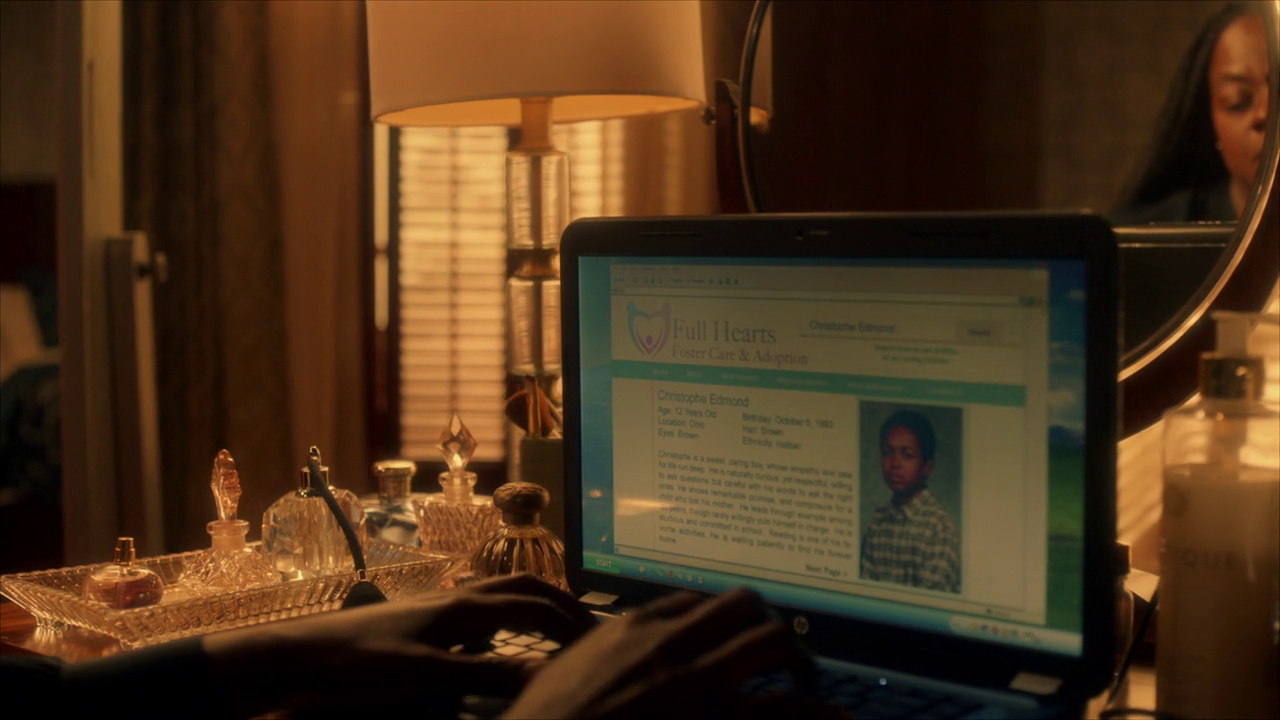
 There’s a
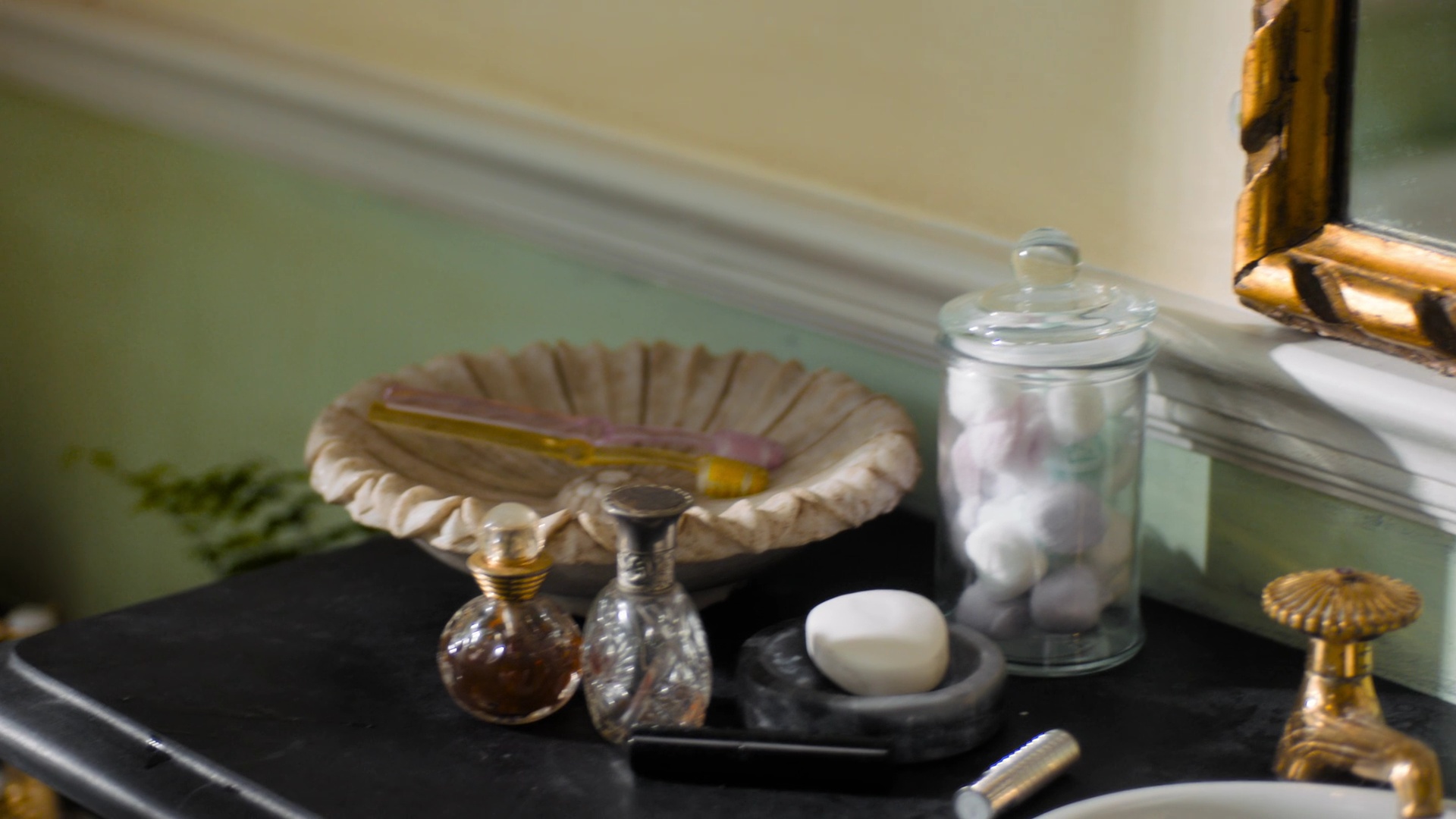 Brigitte Winkelmann is the
 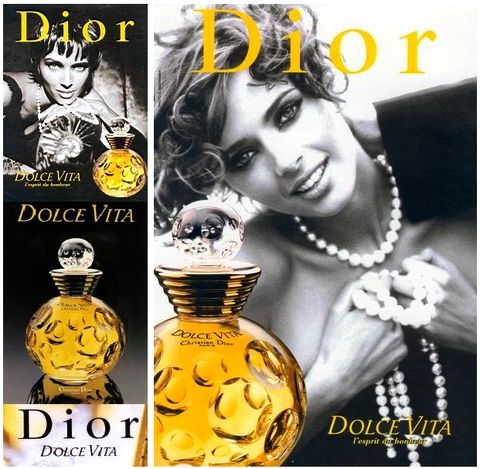 The first is the spicy-fruity Dolce Vita by Christian Dior, a creation by Pierre Bourdon and Maurice Roger. Too bad it was launched in 1994 (the show is set 8 years earlier!). I think the bottle was chosen simply as a decoration.
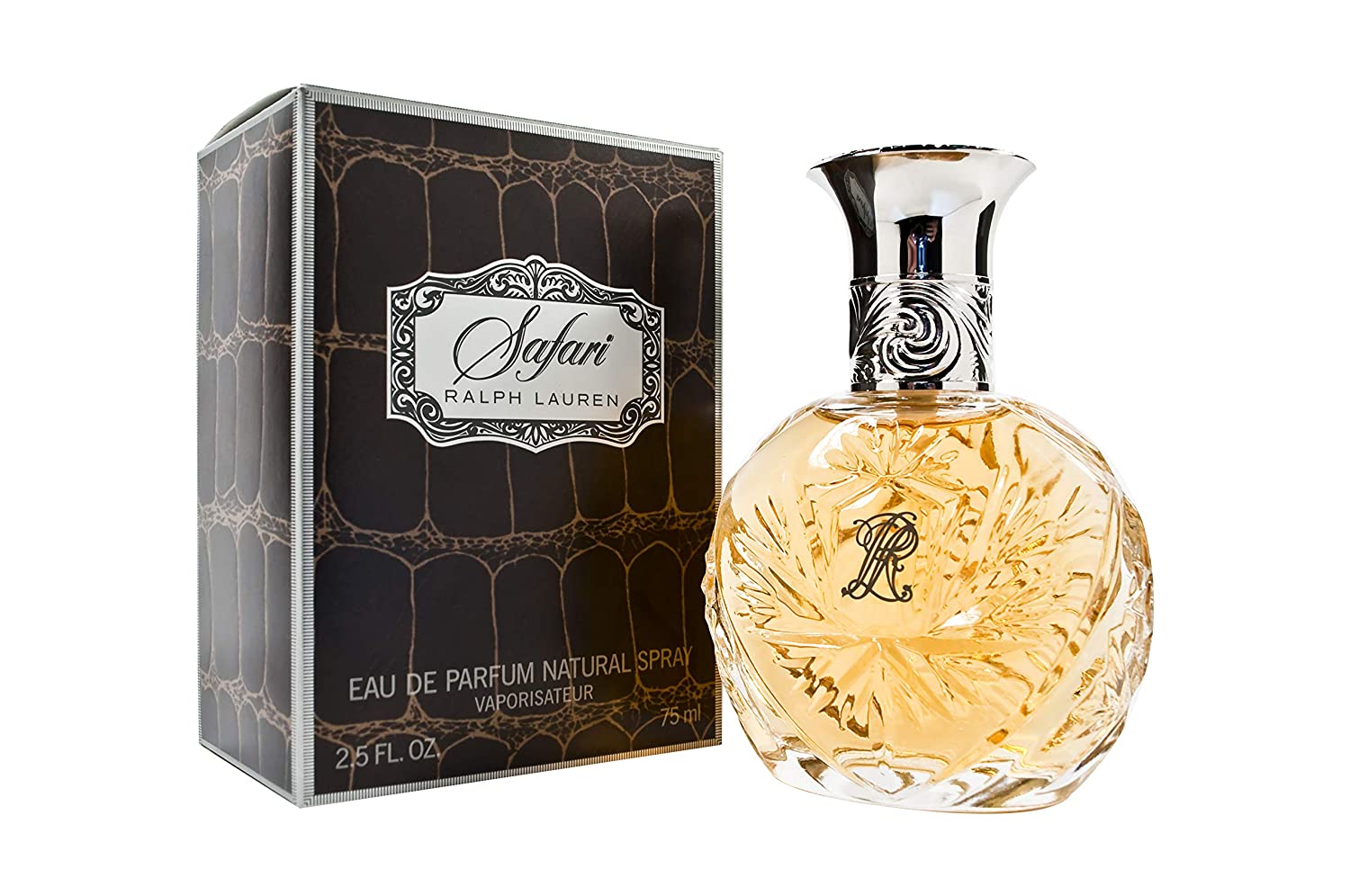 The other bottle is Safari by Ralph Lauren. Historically speaking, it’s another inaccuracy, because this fragrance, created by Dominique Ropion, was launched on the market in 1990. Too recent to be sitting in a Parisian bathroom in the mid 1980s.
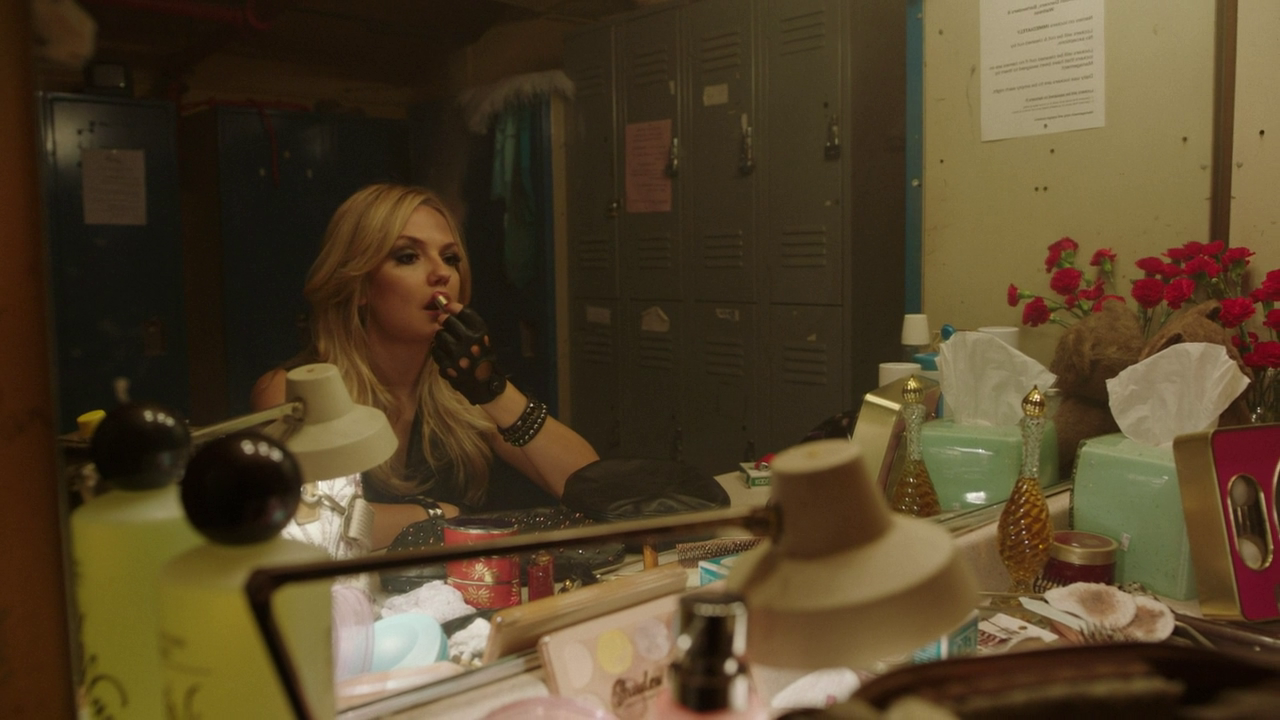 Three interesting objects sit on Lori Madison’s vanity in her dressing room.
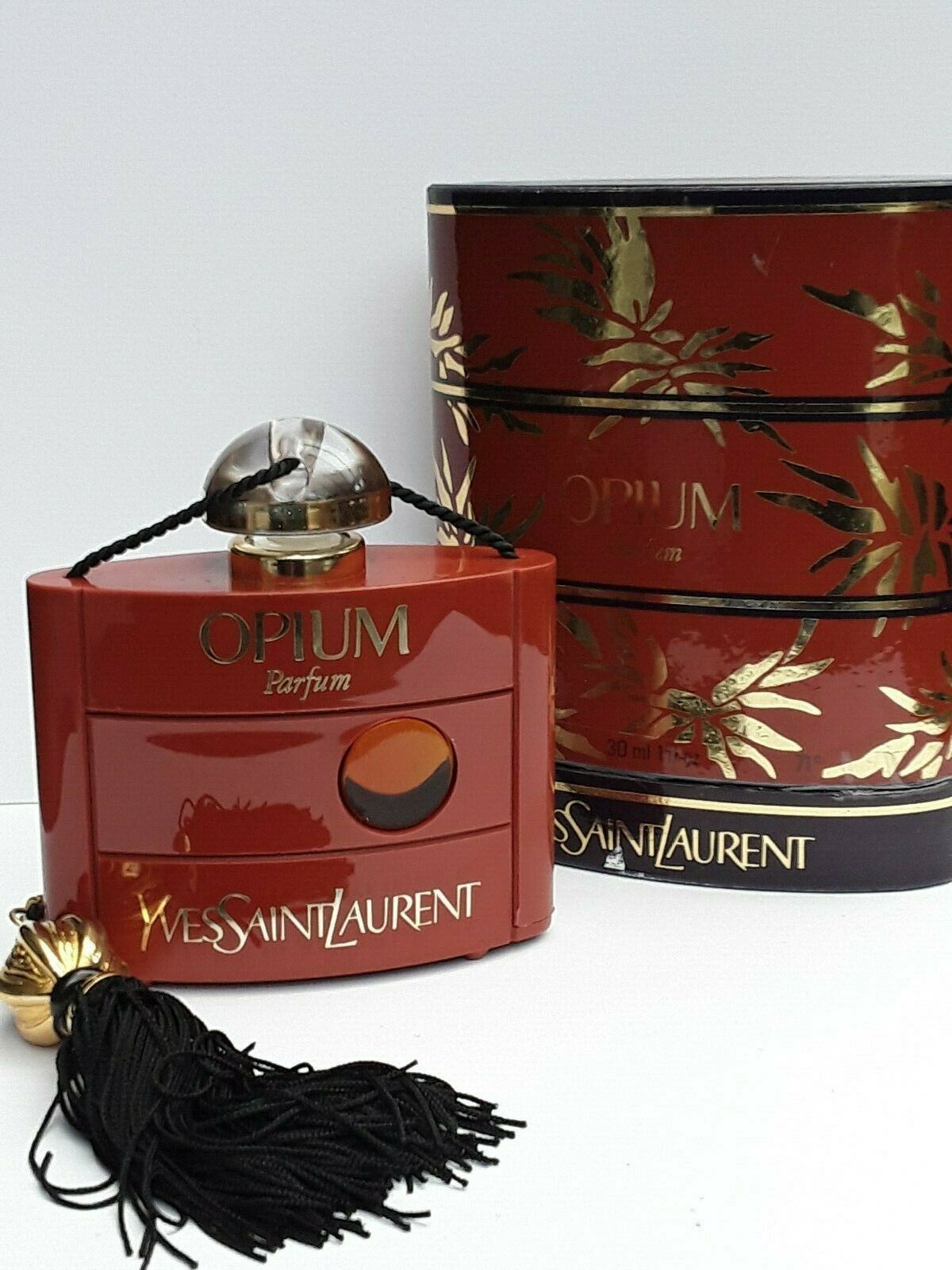 Yves Saint Laurent Opium (
 The
The 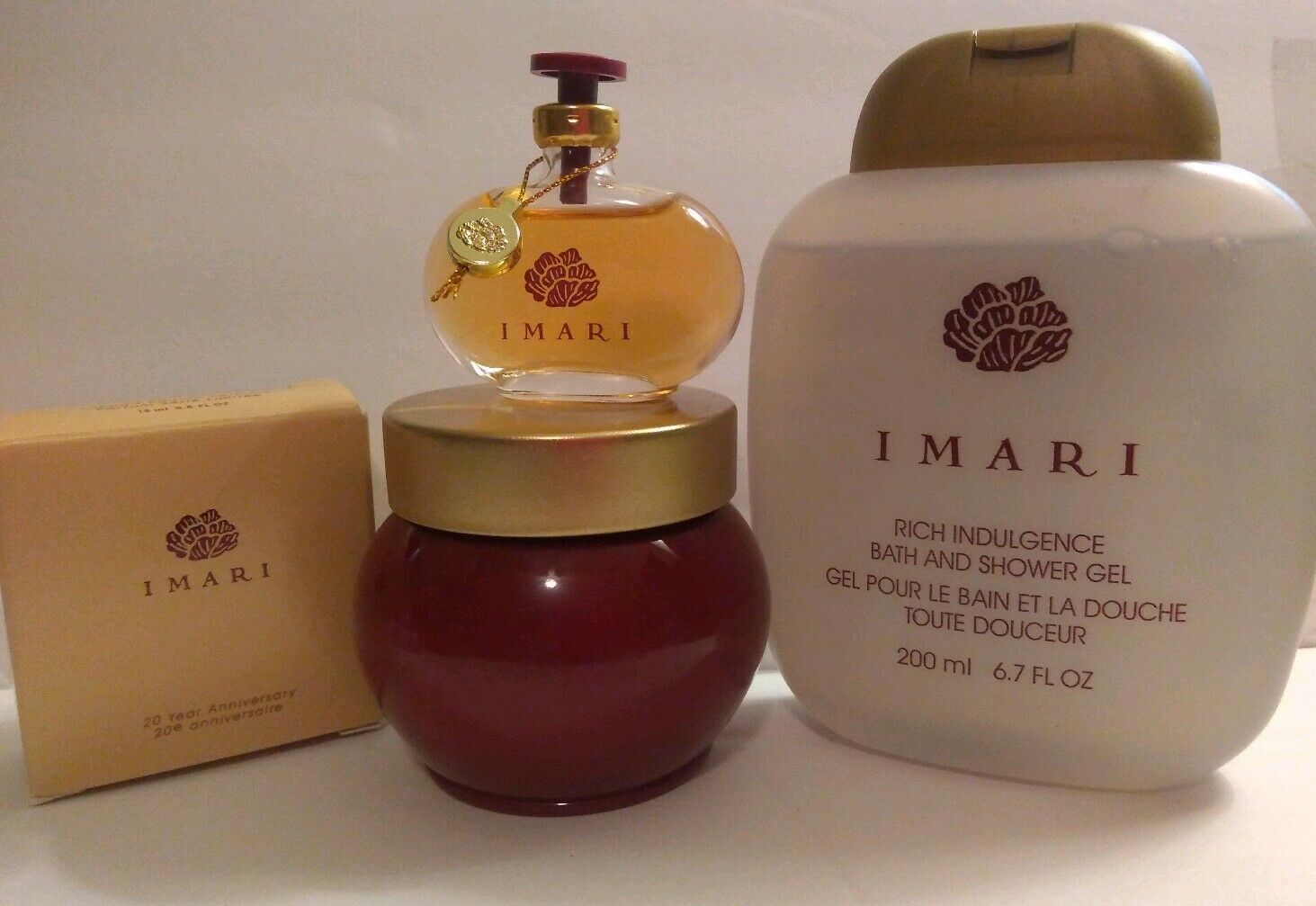 The dark red jar next to it is another Avon product – a body cream. My guess is that the fragrance is Imari, originally launched in 1985, characterised by dark red packaging.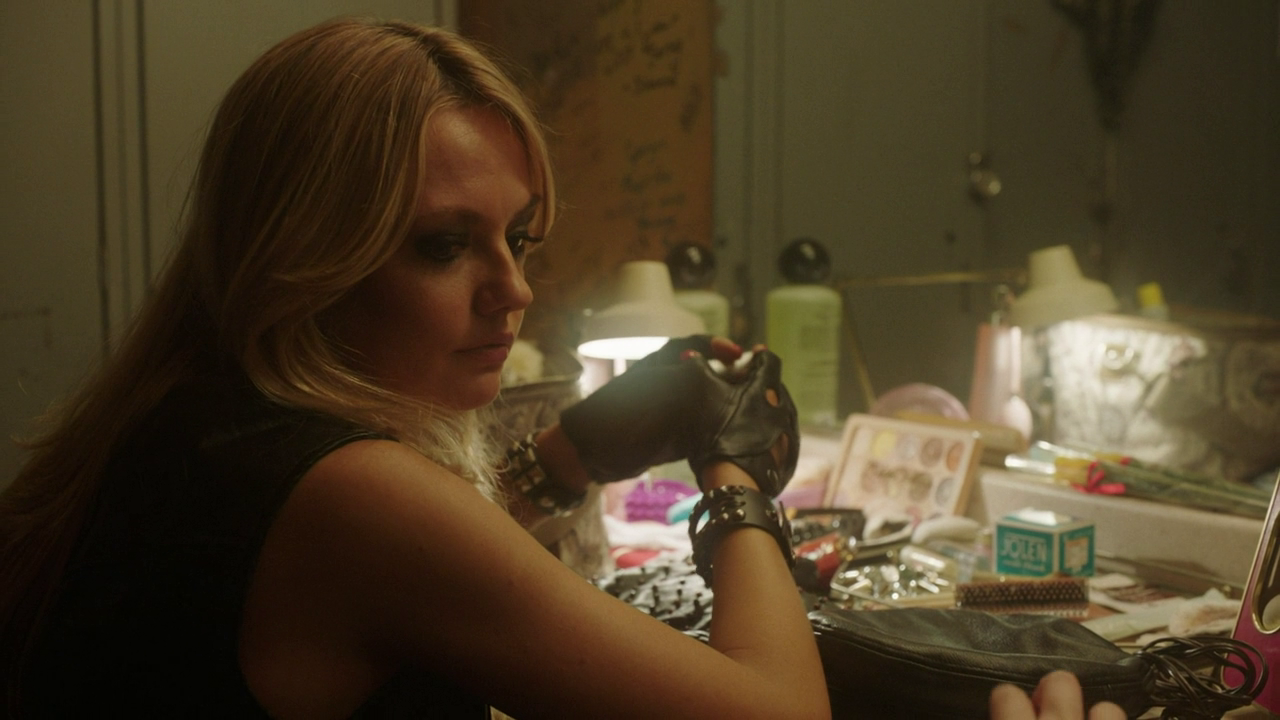
 Last but not least, by the mirror there’s a bottle of Revlon Jean Naté after-bath splash.
 World Wide Aura
